

Animation
08-09-2026
How Long Does It Take to Learn Animation in Blender? A Student’s Guide
Read More ...

Have you ever wondered what goes on in the minds of animation recruiters? They go through hundreds of reels in a month. So, today, animation recruiters are moving fast with how they choose their candidate. They open a reel, watch the first 10 seconds and decide if they want to go ahead or move on to the next candidate.In 2026, animation recruiters will pay less attention to your animation course certificate or animation degree title and more attention to whether your portfolio proves you can deliver production-ready work. Fresh graduates often make the mistake of showing too much student work instead of targeted, polished pieces that match specific studio needs.
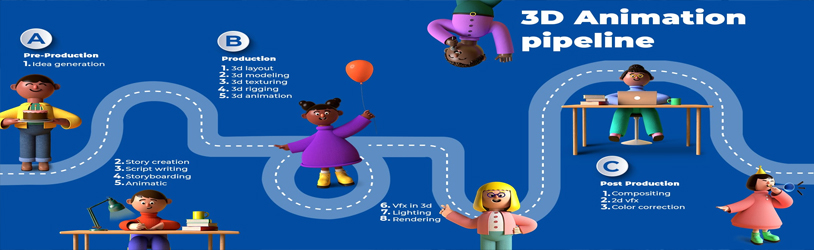
Every portfolio must answer one important question, that is, “Does this person understand my pipeline?”
For roles that involve character animation, they want walk cycles, acting shots, and lip-sync. For layout or previs, they look for camera work and staging. Environment artists need to show world-building and lighting. Make your reel according to the job description and avoid generic reel or a reel that combines everything, it is more likely to get skipped.
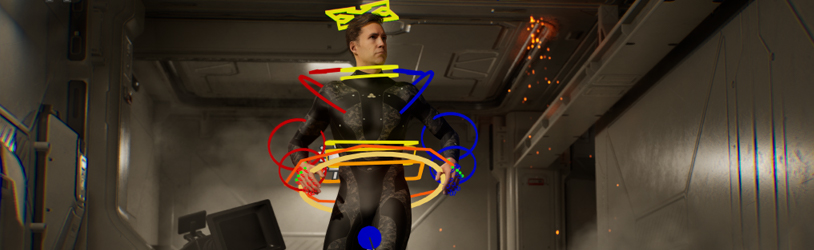
Recruiters can easily spot student vs. professional work within seconds. They look for clean line tests, proper timing, realistic weight and finished polish and not raw Maya playblasts or unrefined renders. A simple and well executed walk cycle holds more value than a flashy and shaky action sequence every time.
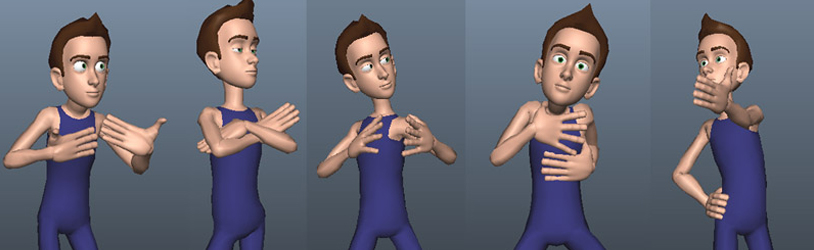
Top portfolios include 2-3 second breakdowns showing your keyframes, reference, and how you solved specific problems. This helps the recruiters know that you understand animation principles and pipeline thinking, not just software buttons.
Keep your demo reels 45-90 seconds max. Put your best work first. Have clear labels for each reel: “Walk Cycle – Key Animation,” “Dialogue Scene – Full Animation.” No music that drowns out timing. No long establishing shots. Every second must justify itself.
Taking up an animation course (6-12 months) often helps in producing better reels faster because they are project-focused and industry-aligned. Animation degrees (3-4 years) build broader foundations but sometimes prioritise theory over employable demos. Recruiters notice the difference: course grads typically have 5-8 strong portfolio pieces ready to show, while some degree students struggle to select from weaker academic work.
● 6-10 targeted pieces matching studio specialties
● Breakdowns showing your specific contributions
● Clean presentation (website, Vimeo, ArtStation)
● Software fluency relevant to the studio (Maya, Blender, Toon Boom, Houdini)
● Realistic physics/timing that reads in motion
● Short, labeled reel under 90 seconds
1. Remove early student work even if you think they are good
2. Get feedback from working professionals, not just classmates
3. Include 1-2 collaborative pieces to show you work well in teams
4. Update monthly as skills improve
5. Practice interview shots for when recruiters ask “Walk me through this piece”
Your animation course or animation degree helps you get the interview. Your portfolio gets you the job. Studios want to see someone who can start contributing starting from Day 1, not someone they need to train from scratch. Focus on quality, relevance, and clarity, as these are the only metrics that matter when recruiters have 100+ reels to review.