

VFX
12-08-2026
Scope of VFX in the Future: Career Opportunities, Jobs & Growth in India
Read More ...
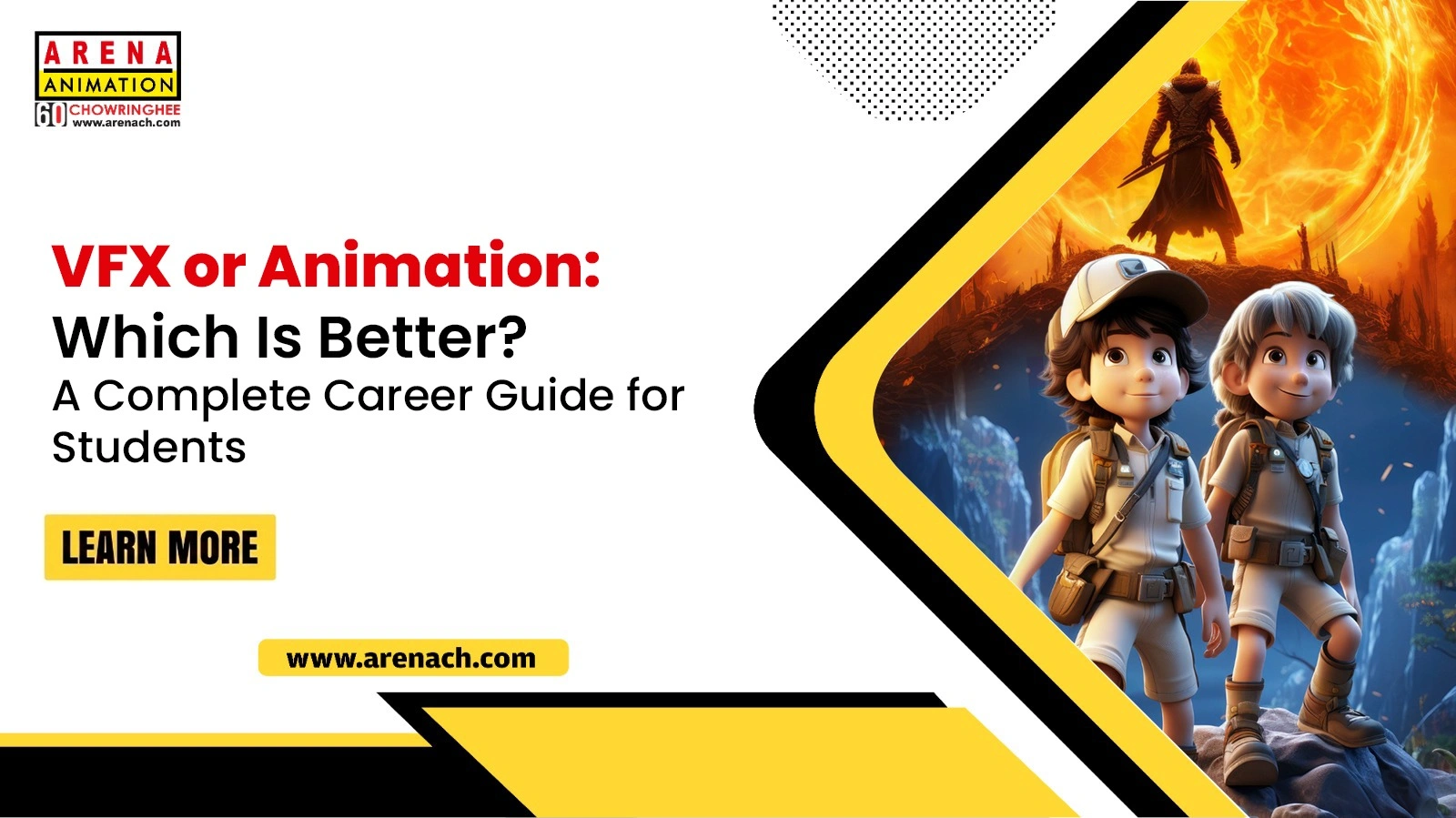
Making a career choice in the creative sector takes serious thought. You might have several doubts early on. A lot of students check the current job market and wonder vfx or animation which is better for their future. Both avenues unlock excellent chances across film, television, and gaming. Selecting the right one simply depends on your personal strengths and the type of art you prefer making.
Animation is the process of making flat images, sketches, or 3D models move on screen. Artists begin with a blank canvas to construct completely new worlds. They assign unique personalities to characters and dictate their movements within a scene. This covers traditional 2D drawing, detailed 3D modelling, and motion graphics. It remains a highly visual profession that requires massive patience and a sharp eye.
Visual Effects, widely known as VFX, involves modifying live-action footage that a camera cannot capture on a physical set. VFX artists combine real video with computer graphics to make impossible scenarios look completely believable. When you spot massive digital crowds, alien planets, or huge explosions next to real actors, you are looking straight at the work of a dedicated VFX team.
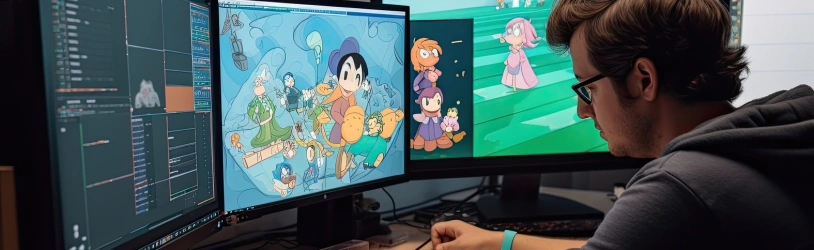
The core difference lies in how a project starts. Animation means building characters and settings from zero. The artist designs every single visual element on the screen. VFX almost always kicks off with actual video footage recorded by a camera crew. The VFX department takes that raw video and edits it, cleaning up shots or dropping in digital pieces to tell the story better.
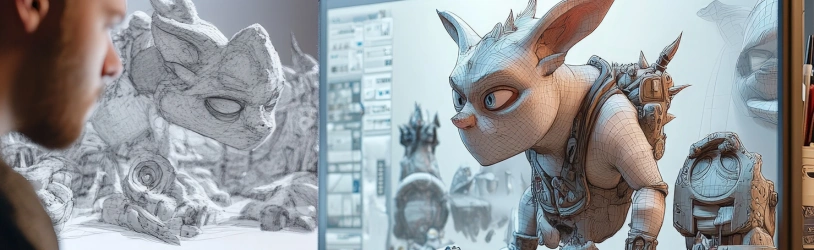
When you try to figure out vfx or animation which is better, look at the tasks you actually enjoy. Neither field beats the other. They just manage completely different segments of the production pipeline. If you love dreaming up imaginary worlds and drawing characters, animation fits you perfectly. If you enjoy fixing technical glitches and making real video look cinematic, VFX makes more sense.
Succeeding here means getting a firm grasp on timing, weight, and human motion. Good drawing skills help, but modern software allows beginners to learn the fundamentals without being expert illustrators. Useful skills include:
• Creative thinking and visual storytelling
• Knowing how body language works
• Grasping basic acting rules
• Patience for tweaking things frame-by-frame
• A solid understanding of colour and composition
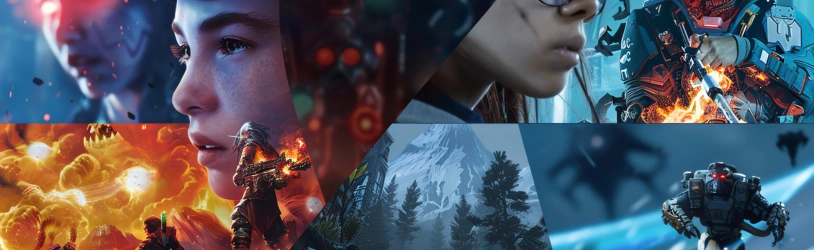
VFX artists blend creative ideas with strict technical guidelines. Their digital output must match real-world physics and camera angles flawlessly. Spotting tiny inconsistencies matters quite a lot here. Key skills include:
• Studying real lighting and shadows
• Understanding camera tracking
• Green screen removal methods
• Solving tricky technical issues
• Working smoothly within large production teams
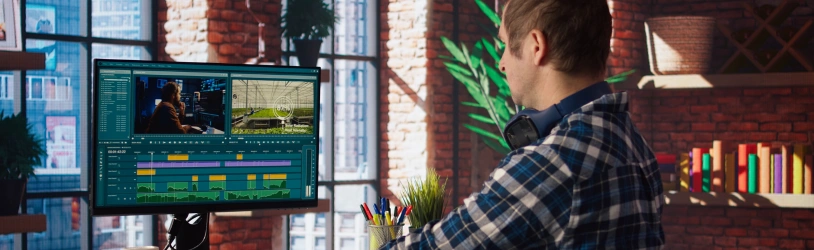
Both sectors depend heavily on specific software packages. Learning these digital tools forms a massive part of your portfolio. Animators usually rely on Autodesk Maya, Blender, Toon Boom Harmony, and Adobe Animate to bring assets alive. VFX professionals spend their days using Foundry Nuke, Houdini, Adobe After Effects, and Silhouette to manipulate those complicated live-action clips.
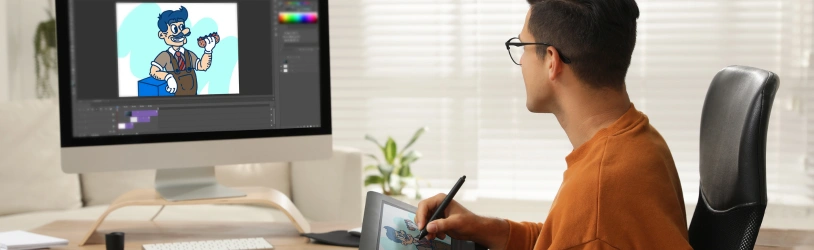
Animation experts enjoy a massive job market outside of standard cartoons. Film studios and television networks constantly look for animators for their regular shows. The gaming sector recruits heavily for character movement and cutscenes. Ad agencies, corporate brands, and online learning platforms also recruit animators to craft videos that explain complicated ideas simply.
The entertainment sector is easily the top destination for visual effects jobs. Huge film studios, streaming platforms, and broadcast channels require VFX for nearly everything they shoot today. Ad agencies recruit these artists to put together flashy commercials. Architecture firms use visual effects to present realistic building plans, and game studios use them for cinematic trailers.
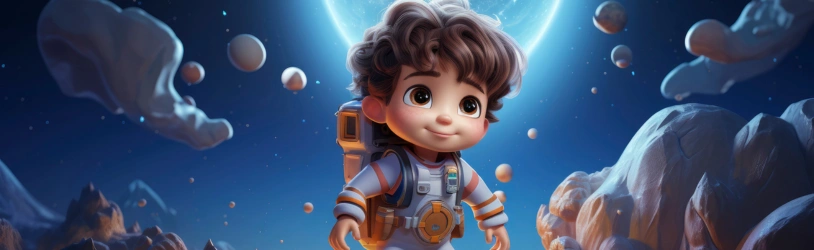
This sector holds many distinct roles depending on your strong points. You could secure a job as a 3D animator, 2D animator, character designer, or storyboard artist. Other jobs involve texturing and rigging. With enough industry time, lots of professionals step into leadership spots. They turn into animation directors, creative leads, or freelance consultants working for global clients.
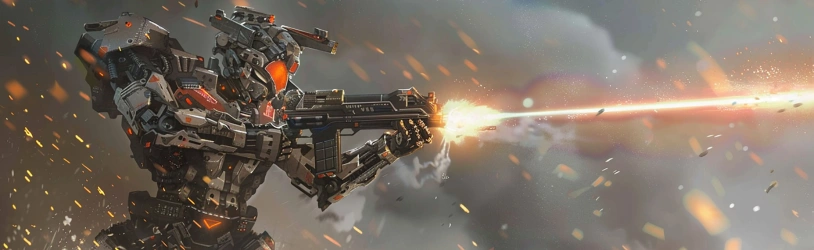
The visual effects world has plenty of paths if you like mixing art with technology. You could start as a rotoscoping artist, matchmove specialist, or paint artist. As your skills improve, you can shift into roles like compositing artist, lighting specialist, or FX technical director. Many eventually step up to become VFX supervisors running massive teams on movie sets.

When people discuss career options, the pay scale usually comes up first. Beginners in both areas generally start on similar salaries. Your income down the line depends heavily on your showreel quality and the difficulty of your projects. Specialists who know how to operate complex, in-demand software always secure better pay across the industry.
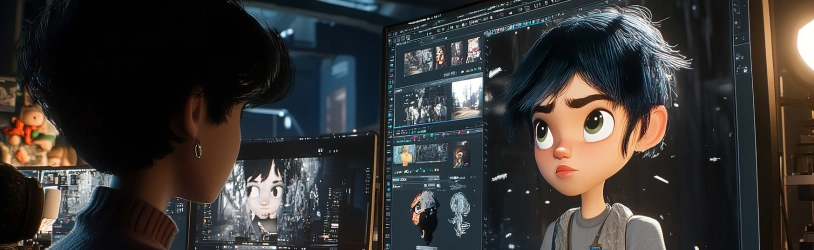
Finishing school is a brilliant time to enter these practical fields. If you spend your free time sketching, reading comics, and inventing characters, an animation course is a smart bet. If you love movie magic, camera work, and technical software, a VFX programme fits you properly. Many institutes teach the basics of both before asking you to pick one specialisation.
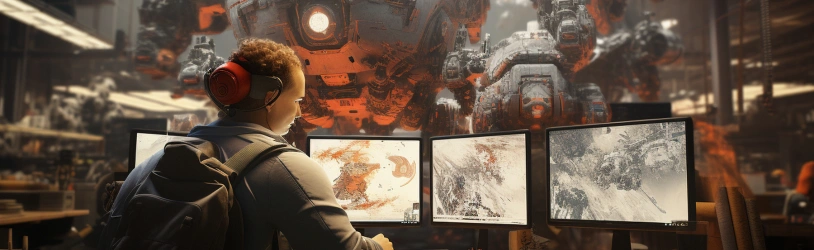
Yes, picking up both is completely doable and makes you highly valuable to employers. Knowing how the whole pipeline connects gives you a massive edge over other candidates. Animation teaches you about natural movement and timing. VFX shows you how to integrate those items into actual footage. This combined knowledge gives you major flexibility when applying for studio jobs.
The worldwide demand for digital media means the future for these careers looks exceptionally bright. Streaming platforms, mobile games, and online marketing keep the need for artists incredibly high. New technologies just give people better tools to work a lot faster. Human creativity remains the main engine behind all of this, which keeps these jobs strictly in demand.
When looking at long-term growth, you will probably ask vfx or animation which is better for climbing the ladder. It mostly comes down to your own hard work. Both paths give you plenty of room to advance if you keep upgrading your software skills. A solid career relies on enjoying the daily grind rather than picking a popular trend.
There is no single right answer to vfx or animation which is better. Your decision should match whatever gets you excited about digital media. Spend time building a strong foundation in whatever path you pick. Practise your work every single day, and put together a portfolio that shows off your specific style to the rest of the world.
Are you ready to turn your creative hobby into a highly rewarding profession in the digital media industry? At Arena Animation Chowringhee, we focus on providing you with the exact practical skills required to succeed in top studios. Whether you want to enrol in a comprehensive vfx course, master 3D animation, or explore graphic design, UI/UX, and web development, our experienced mentors will guide you through real production workflows. We place a heavy emphasis on hands-on project work, ensuring you build a strong, professional portfolio before you even graduate. We do not just teach the software; we help you understand the entire creative pipeline from start to finish. Stop waiting and start shaping your artistic ideas into a proper career. Reach out to us today to explore our programmes and discover how you can thrive in this exciting sector!