

Careers
25-09-2026
Jobs & Placements After Completing a Creative Course
Read More ...
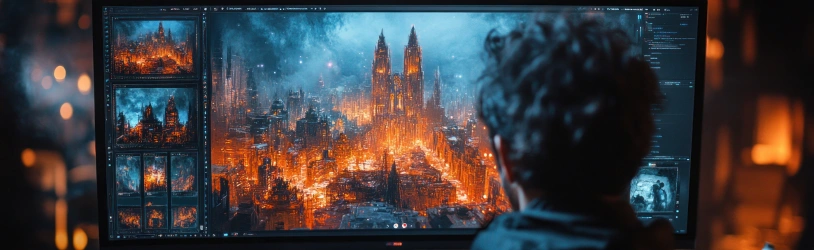
Look at any movie, web series, ad or game today and you’ll notice something. The visuals feel real, sometimes even magical. That’s VFX at work, quietly shaping what you see on screen. Content keeps growing every single day, and along with it, the Scope of VFX in Future keeps opening up as a career worth thinking about seriously.

VFX simply means Visual Effects. It’s how filmmakers add or change things on screen that would be too hard, or too costly, to shoot for real. Artists take actual footage and mix it with computer-generated visuals until the final shot feels seamless. Here are a few things VFX covers:
• Removing wires, cameras or unwanted objects from a shot
• Building 3D environments like cities, forests or space
• Creating explosions, fire or weather effects
• Designing digital creatures or characters
• Enhancing lighting, colour and depth in a scene
Cinema isn’t the only place you’ll spot it. Advertisements, TV shows, social media reels, mobile games — VFX is everywhere now.
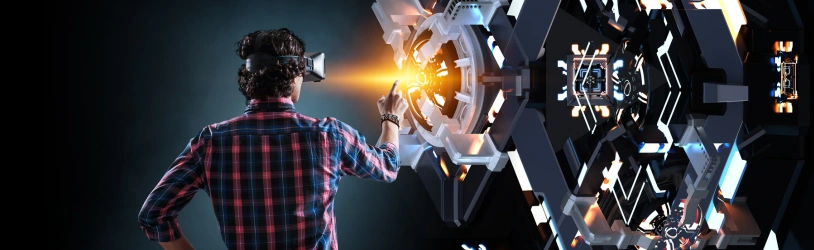
We watch more than we read these days. Streaming platforms drop new shows week after week, and each one needs to grab eyeballs fast through strong visuals. That pressure pushes production houses to spend more on effects that make a story feel bigger. Games need it too. Realistic characters, believable lighting, worlds that feel lived-in — none of that happens without VFX artists behind them. Advertising has caught on as well, using effects to make a 30-second ad stand out in a feed full of noise. Add it all up, and there’s steady, ongoing work for people who know this craft.
India has quietly become one of the world’s go-to places for animation and visual effects work. That’s the biggest reason the Scope of VFX in Future in India looks so promising. Studios here handle Indian films alongside big international projects meant for global audiences. And it’s not just movie studios anymore. Advertising agencies, gaming companies, OTT platforms, digital content teams — they all need people who can create strong visuals. Students today aren’t stuck picking one path. They’ve got several, and that’s what makes VFX such a flexible skill to build a career around.
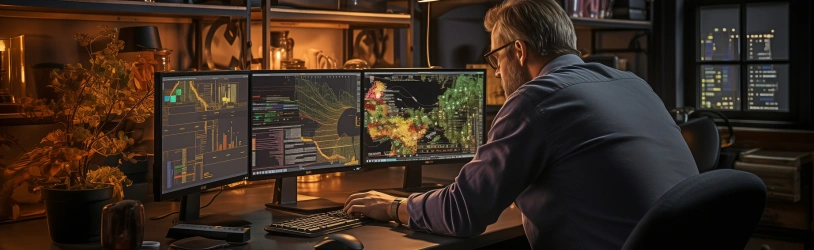
Most VFX courses don’t lock you into just one thing. You get exposed to different specialisations early on, so you can figure out what actually clicks for you. A few common career paths in this field:
• VFX Artist
• Compositor
• Rotoscopy Artist
• Matchmove Artist
• 3D Artist
• Lighting Artist
• FX Artist
• Environment Artist
• Matte Painter
• Motion Graphics Artist
Picking one early and going deep usually works better than trying to be good at everything at once.
Day to day, a VFX artist works on shots that need something extra. Maybe it’s adding a digital element, removing something that shouldn’t be there, or making computer-generated visuals sit naturally with the real footage. The work looks different depending on the specialisation, though. Compositors bring together several visual layers into one final image. 3D artists build the models, textures and environments from nothing. Both need a mix of creative instinct and technical patience, which is honestly what draws a lot of people to this field.
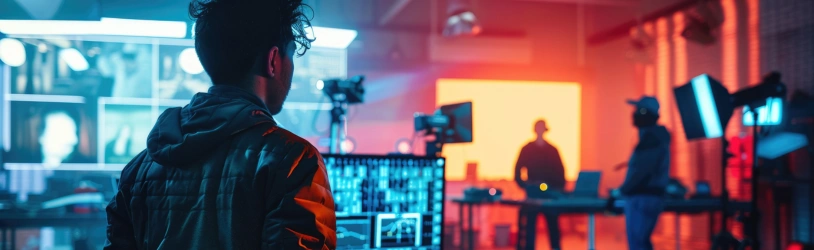
There are opportunities to explore across film production houses, VFX studios, animation companies, gaming studios and advertising agencies. A lot of Indian studios work on international projects too, which means artists get a real taste of global production standards early on. Stick around long enough, gain experience, and you can move up to senior artist, team lead or supervisor. Completing a course is an important first step, while practical skills, a strong portfolio and software knowledge help prepare students for job opportunities, along with the ability to meet production timelines.
If you like learning new tools and staying creative at the same time, VFX will probably suit you. Some of it you’ll pick up through training. The rest comes from practice, and from taking feedback seriously. A few skills worth building:
• Working knowledge of VFX software
• Understanding of colour, lighting and composition
• Attention to fine visual detail
• Strong sense of perspective and depth
• Problem-solving under production timelines
• Willingness to accept and apply feedback
• Comfort working within a team
And patience. A lot of it. Even a five-second shot can go through round after round of edits before it’s actually done.
AI is changing a lot of creative work right now, and VFX hasn’t been left out. Tools already exist to handle the repetitive stuff — rotoscoping, basic edits, quick first drafts — which frees up time for artists to focus elsewhere. AI can support many technical tasks, but creative judgement, storytelling and artistic direction remain important parts of VFX work. Students who learn to work with AI tools, instead of ignoring them, will probably end up better placed than those who don’t.

Before locking into one specialisation, spend some time exploring what’s out there. Trying to learn everything at once usually backfires — you end up spread thin instead of actually good at something. A structured course helps here. It gives you the right software, workflows, and hands-on projects to start from. But don’t stop at what the classroom teaches. Keep working on personal projects on the side. Personal projects can also help students build a portfolio that demonstrates their practical skills to potential employers, often more than a certificate alone.

If storytelling, problem-solving and detailed technical work appeal to you, VFX is worth considering. It also fits people who enjoy picking up new software and keeping pace with how production techniques keep shifting. Like any creative profession, VFX requires regular practice, patience and continuous learning. Students who put in that work, and build a real portfolio alongside it, can prepare themselves for opportunities across films, gaming, advertising and digital media.
India’s appetite for digital content isn’t slowing down anytime soon, and that’s exactly why VFX has a strong future here. Platforms keep competing harder for viewers, which means the need for strong visuals keeps climbing too. Real-time rendering, virtual production, AI-assisted tools — these are already changing how studios operate day to day. For anyone entering the field now, staying curious and willing to adapt matters just as much as knowing the fundamentals.
VFX started out as a filmmaking tool, but it’s turned into something much bigger — a genuine career path with room to grow across films, gaming, advertising and digital media. Build strong fundamentals, stay curious about where the technology is heading, and put real time into your portfolio. Do that, and this industry has plenty of room for you to grow with it.
Curious about where a career in visual effects could actually take you? Arena Animation Chowringhee helps students turn that curiosity into practical, industry-ready skills through hands-on training and experienced faculty. Whether compositing, 3D environments or full-scale VFX film making interests you most, there’s a course here built to match your pace. Take your pick from the Advanced Program in Visual Effects, Advanced Program in VFX Compositing & Editing, Advanced Program in VFX Film Making, or the Arena Animation Specialist Program in Trinity, which covers Animation, VFX and Gaming together.
Want a broader creative base instead? Animation, gaming, graphic design, motion graphics, UI/UX, web design and Gen AI courses are all available under the same roof. Every program here is built around real production workflows, practical lab sessions and portfolio development, so what you learn never stays stuck in theory. Being called the best vfx institute in Kolkata isn’t something we take lightly — it comes down to the placement support, industry exposure and mentorship students actually get through the course. If you’re ready to turn your interest in visual effects into a real career, this is a good place to start building the skills studios genuinely look for.
Frequently Asked Questions About VFX
Que: Is VFX a good career in India?
Ans: Yes, VFX is a promising career for anyone interested in visual storytelling, technology and creative problem-solving. Opportunities exist across films, web content, advertising, gaming and other digital industries in India.
Que: What is the future scope of VFX?
Ans: The future scope of VFX includes growing opportunities in filmmaking, OTT content, advertising, gaming, animation and virtual production, with newer technologies like AI opening up more workflows for professionals to explore.
Que: What jobs can I get after learning VFX?
Ans: Depending on your specialisation, you can explore roles such as VFX Artist, Compositor, Rotoscopy Artist, Matchmove Artist, 3D Artist, Lighting Artist, FX Artist and Environment Artist.
Que: Is VFX difficult to learn?
Ans: VFX takes time to learn since it blends creative ideas with technical software skills. Regular, project-based practice makes it easier and helps students improve step by step.
Que: What skills are needed for a VFX career?
Ans: Working knowledge of VFX software, an eye for detail, understanding of colour and lighting, problem-solving ability and teamwork all help. A strong personal portfolio matters just as much.
Que: Can I learn VFX after 12th?
Ans: Yes, students who’ve completed their 12th grade can enrol in VFX courses and pick a program based on their interests, career goals and preferred area of specialisation.