

Careers
25-09-2026
Jobs & Placements After Completing a Creative Course
Read More ...
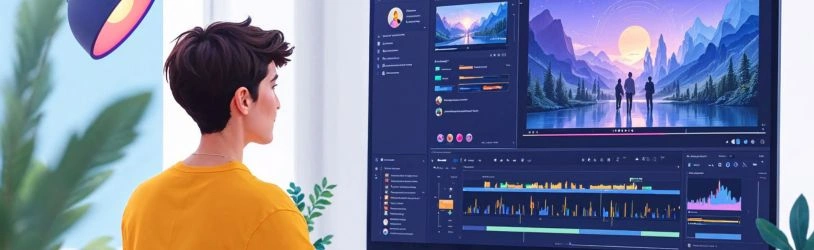
Most students trying to break into animation face one big question fairly early on: should they study 2D or 3D animation? Both fields lead to genuine careers in films, games and digital media, yet the training, the tools and the daily work involved are not really the same. This guide explains what actually separates the two styles, how each one works in practice, and how a student can figure out which path suits their interests and career goals best.
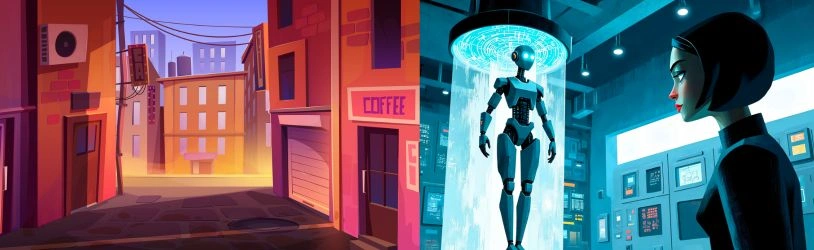
2D animation is flat. Nothing more complicated than that, at its core. Characters and backgrounds only carry height and width, and that’s exactly what gives the work its illustrated, hand drawn feel. Artists used to draw each frame by hand, one at a time. Traditional frame-by-frame drawing is still used for certain styles of animation. Most 2D work today happens on a screen though, with software built for sketching, colouring, moving characters around. Cartoons, ad campaigns, explainer videos, a good chunk of what fills social feeds these days too, it’s all built this way.

3D animation puts depth into the picture. Literally. Objects and characters get modelled digitally with height, width and depth, so they can be turned around and viewed from pretty much any angle. A 3D artist usually juggles several parts of a project at once. Modelling. Texturing. Rigging. Lighting. Rendering. It overlaps more than most people expect walking in. Unlike 2D, the camera can move around a scene rather than sitting still in one fixed spot. 3D animation is widely used in animated films, video games, VFX production, advertising and product visualisation.
Space is where it starts, when you get down to it. 2D gets drawn or built flat; 3D gets modelled with actual depth. That one fact drives almost everything else about how each style looks and how it gets made. Workflow splits them apart too, and in a big way. A 2D artist spends most of the day drawing poses and linking frames together, one after another. A 3D artist builds a model first, rigs it, animates it, then moves into lighting and rendering. Even that comes before the shot is anywhere close to finished.
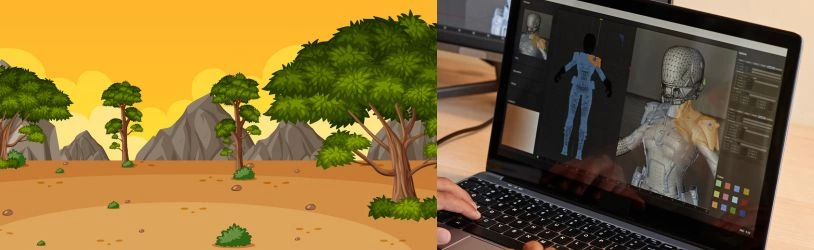
A quick side-by-side, for anyone who wants it at a glance:
• Visual space: 2D flat, 3D has depth
• Core elements: 2D leans on drawings, 3D leans on digital models
• Character work: 2D needs illustrated designs, 3D needs modelling and rigging
• Movement: 2D drawn frame by frame, 3D built on rigs and keyframes
• Camera: 2D works within a 2D or layered setup, 3D can move freely through a 3D environment
• Common use: 2D for cartoons and explainers, 3D for films, games and VFX
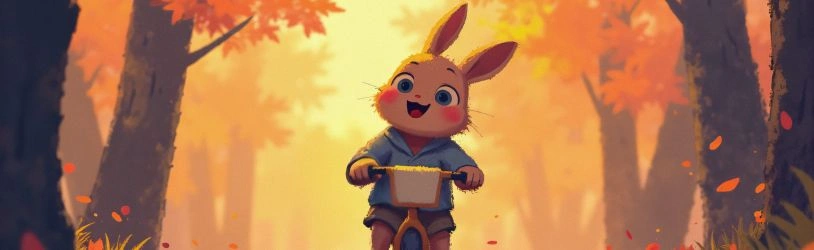
A 2D project usually kicks off with a script. Sometimes just a loose idea scribbled on the back of a notebook, nothing formal. Artists sketch characters, design backgrounds, work out how the story ought to move, all before any real animation begins. Then comes the drawing itself. Key poses first. Then the frames in between, the ones that actually create motion on screen. Digital tools speed this up quite a bit these days. A pose or a timing change gets fixed without redrawing the whole scene from scratch every single time.
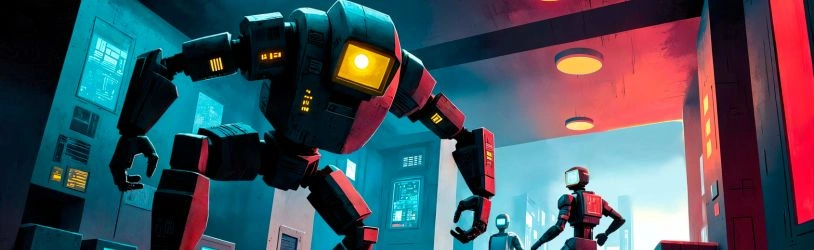
A 3D project moves through several stages, one after another, rarely skipping ahead. Concept art comes first. Then modelling, texturing and rigging. Then animation, lighting and rendering last of all. The character starts out as a bare model, nothing on it yet. Once it gets a rig, animators pose it and set keyframes at whichever moments matter most in a given shot. The software fills in everything that happens between those points. That’s really what keeps the movement smooth instead of jumpy.
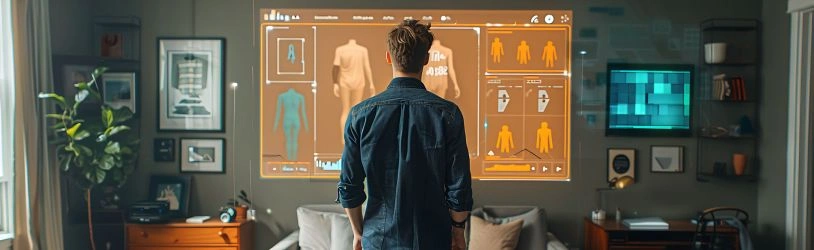
There’s no fixed answer here. It depends on how a person likes to work in the first place. A student who enjoys sketching may find 2D easier to approach initially. Someone who likes software, modelling, building digital spaces, might find 3D suits them better instead. Both require regular practice and patience. Knowing the software matters less than having a solid grasp of timing, movement and storytelling underneath it all.
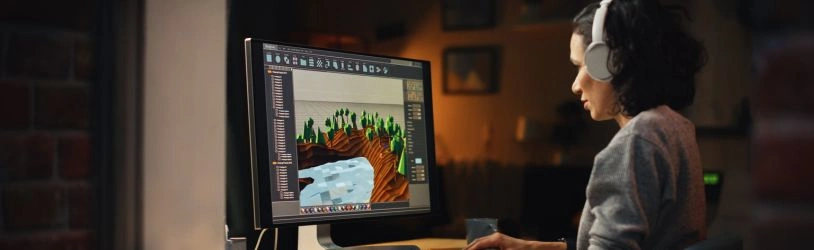
Drawing helps, no doubt about that. Formal art training isn’t a must to get started though. A few things worth building up over time:
• Drawing and visualisation
• Character design
• Storytelling and timing
• Composition
• Digital animation software
Watching how people and animals actually move sharpens an artist’s eye more than most tutorials ever could. Ask most working animators, they’ll say the same thing. It tends to show up in the work, sooner or later.
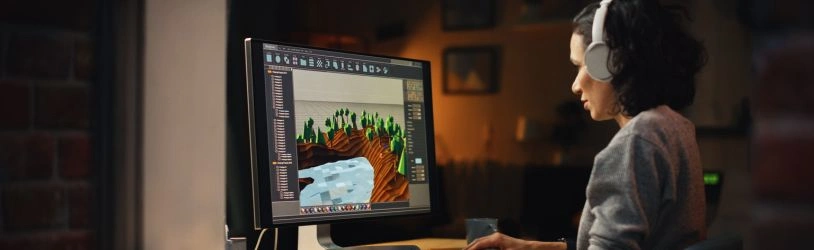
3D work mixes artistic sense with technical skill. No getting around needing both. Students usually pick this up slowly, one project at a time, not all in one course. Some areas worth focusing on:
• 3D modelling
• Character animation and rigging
• Texturing and lighting
• Camera movement
• Rendering and visual storytelling
Patience counts for a lot here, more than people expect going in. Even one shot can pass through several production stages before it’s actually finished and ready to show.
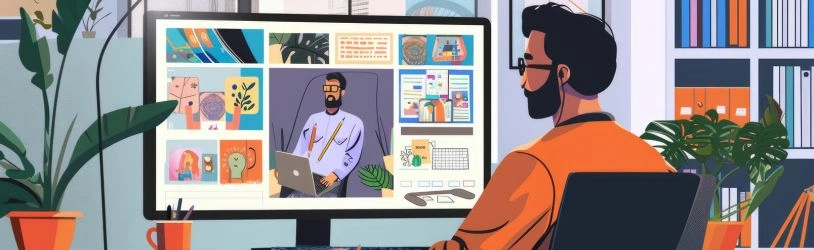
2D animation turns up almost everywhere once a person starts looking for it. Its style often makes complicated ideas a lot easier to follow at a glance. A few common spots:
• Animated series and films
• Explainer and educational videos
• Advertisements and social content
• Motion graphics
• Character-driven storytelling
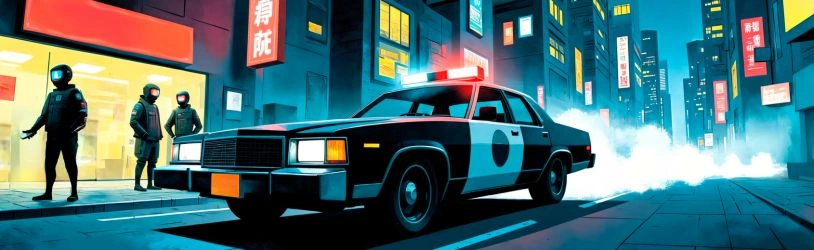
3D animation has become central to a wide range of industries by now, mostly because it can build spaces that feel genuinely real. A few common spots:
• Animated feature films
• Video games
• VFX and television production
• Advertising and product visualisation
• Architectural and virtual experiences
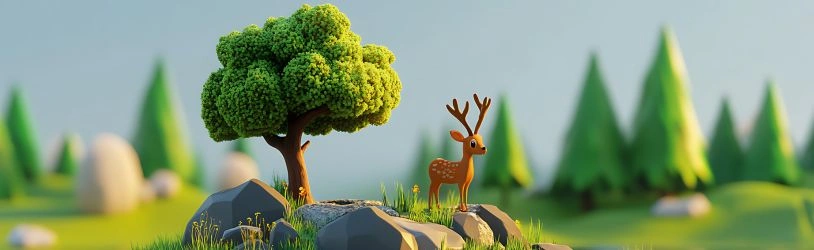
Comes down to what interests a student most as a creator, when everything else gets stripped away. Illustration, character drawing, expressive styles, that usually points toward 2D. Modelling, realistic environments, games, cinematic visuals, that usually points toward 3D instead. Picking one doesn’t mean shutting the door on the other for good. Quite a few students end up learning both before settling on where to focus their energy.
A background in 2D animation can lead to roles like 2D Animator, Character Designer, Storyboard Artist, Concept Artist, Motion Graphics Artist or Illustrator, depending on training and how strong a portfolio turns out to be. A strong portfolio can demonstrate a student’s practical skills, creative abilities and approach to animation. It also gives employers a clearer idea of what a student can create.

3D animation opens up several specialised paths. The career path a student chooses often depends on which stage of production interests them the most. 3D Animator, 3D Modeller, Character Artist, Texture Artist, Lighting Artist, Rigging Artist, Game Artist, among others. With enough experience, some artists stick to one stage of the process for years. Others build broader generalist skills that stretch across several stages instead, and both paths work fine.
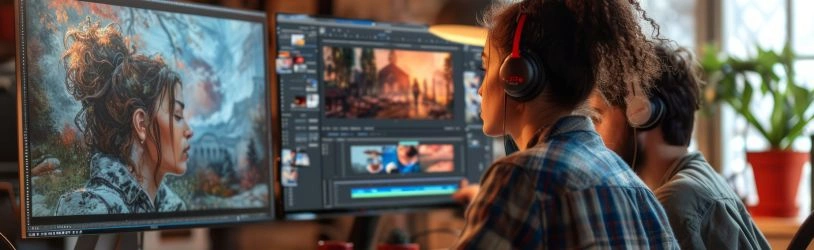
Look past the course title before signing up anywhere. Check what’s actually being taught: the software used, the curriculum, whether real projects are part of the deal or it’s mostly theory. Be realistic about time too, that part gets overlooked a lot. Animation skills grow through steady practice, not by rushing through a fixed number of lessons on a deadline. A few basic exercises beforehand can make the final decision a lot clearer than it otherwise would be.
A creative career gets built on practical work, not on a completed course alone. Put together projects that actually show what a student can do: character animation, short scenes, design work, modelling, based on their chosen specialisation. A strong portfolio can demonstrate practical skills and give employers a clearer idea of what a student can create. Staying current with new tools matters too, since animation software rarely sits still for long these days.
So, what’s the difference between 2d and 3d animation, in one line? Comes down to how visual elements get built and moved. 2D stays flat, drawn, illustrated. 3D works through models and environments that carry real depth. Neither one is automatically the better choice for every student, so let personal interests, strengths and career goals make that call instead of guesswork. Start with the fundamentals, practise often, build a portfolio that shows genuine skill over time.
Still weighing 2D against 3D? A student doesn’t need to work that out alone. At Arena Animation Chowringhee, programmes are available across both directions, so a student can choose based on where their interest actually lies. For flat, illustrated storytelling, the Advanced Program in 2D Animation covers drawing, character design and digital animation tools as a focused programme. For depth, modelling and realistic environments, the Advanced Digital Graphics and Animation course, offered separately in Maya and in Blender, builds skills in modelling, texturing, rigging and rendering step by step. Students aiming at cinematic visuals and game-ready environments often choose the Advanced Program in Animation with Unreal Engine, which pairs animation training with real-time engine work. The learning approach across these programmes includes practical work that can help students build projects for their portfolios. Students can also benefit from experienced faculty, specialised facilities and placement assistance, including support from a dedicated placement cell. Whichever direction a student leans toward, the goal stays the same: building skills that hold up in a professional career. For students still torn between 2D and 3D, sitting in on a demo class or having a quick chat with a career advisor can make the decision easier than working it out alone.
Que: What is the main difference between 2D and 3D animation?
Ans: 2D animation works with flat, two-dimensional artwork. 3D animation builds models and scenes with height, width and depth. The tools, workflows and production stages differ because of that basic split.
Que: Is 2D animation easier than 3D animation?
Ans: Not necessarily. Both need steady practice and a solid understanding of movement, timing and storytelling. 2D tends to suit students who enjoy drawing. 3D tends to suit those who prefer modelling and digital environments instead.
Que: Is 3D animation a good career in India?
Ans: Yes, generally speaking. 3D skills apply across animation, gaming, VFX, advertising, television and digital content. Where a student ends up depends on specialisation, software skills and how strong their portfolio is by the end.
Que: Can I learn 2D and 3D animation together?
Ans: Yes, and plenty of students do exactly that. Learning both gives a broader view of animation before deciding whether to specialise in 2D, 3D or something related to either one.
Que: What should I learn first in animation?
Ans: Start with the fundamentals: drawing or visualisation, movement, timing, composition and storytelling. Once those feel solid, move into software training based on whichever path is being pursued.
Que: Which is better for a career, 2D or 3D animation?
Ans: There’s no single answer here. 2D suits students drawn to illustration and stylised storytelling. 3D suits those interested in modelling, games and cinematic visuals more. Personal interests and career goals should guide the choice either way.