

VFX
15-10-2026
How Long Does It Take to Learn VFX? Courses, Skills, Salary & Career
Read More ...
Students looking to enter the film and animation industry often confuse these two terms. It is an easy mistake to make since both involve movie magic. But knowing the exact difference between vfx and cgi is a crucial first step. It helps you pick the right courses and build a portfolio that actually gets you hired.

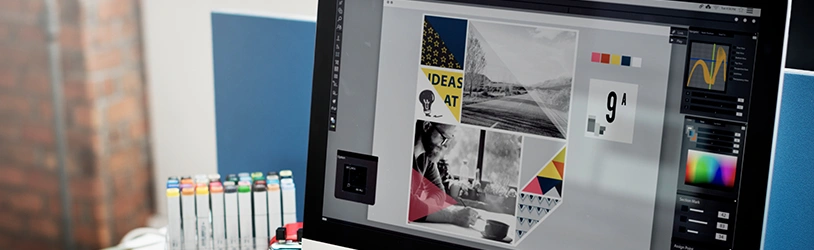
Visual effects happen after the actual filming stops. Directors shoot scenes using real actors on physical sets or green screens. Then, artists take that live video and start changing things. They might remove safety harnesses or add a fiery explosion in the background. It is all about blending real-life footage with newly created digital elements so it looks real.
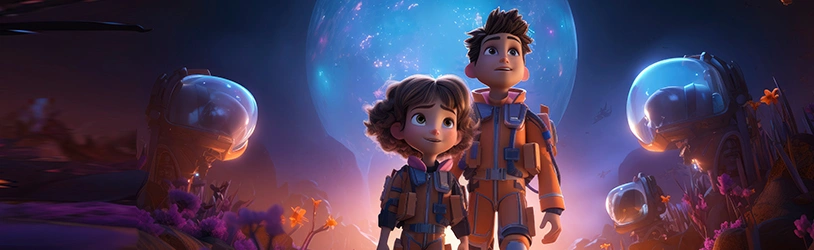
Computer-generated imagery is completely different. This work happens entirely inside a computer. You do not need a camera or a soundstage. Artists use 3D software to build characters and massive environments from nothing. Think about animated movies like Toy Story. Every single frame of those movies is a pure digital creation without any live-action filming involved.

This is where people get confused. The core difference between vfx and cgi is that one uses real video and the other is totally digital. But digital graphics are actually used as a tool to create visual effects. If a movie needs a fake alien spaceship flying over a real city, an artist has to build that spaceship digitally first.
Once that digital spaceship is built, the visual effects team takes over. They place that 3D model into the real camera footage of the city. Then comes the hard part. They have to adjust the lighting, shadows, and colours perfectly. The goal is to make that fake spaceship look like it is actually flying through the real sky.
Working in visual effects is great if you love tweaking live-action video. You need a really good eye for detail and colour. Artists in this field spend their time combining multiple video layers with digital art. Your whole job is making sure the audience never realizes a shot was manipulated. It requires patience and a strong understanding of natural lighting.
Creating pure digital art is for people who love building things from a blank canvas. You become a digital sculptor. This involves modeling 3D objects, painting textures onto them, and making them move. Grasping the difference between vfx and cgi helps you realize if you want to enhance reality or create a brand new reality from scratch.

Let’s talk about actual jobs. In visual effects, you might work as a compositor. This person merges all the different video and digital layers together into the final shot. Another common job is rotoscoping. These artists trace around moving actors frame by frame so digital backgrounds can be added later without looking messy.
Digital artists have totally different roles. You might become a 3D modeler who shapes vehicles and characters. Or you could be a texture artist who adds realistic details like rust or skin pores to those models. Because the daily work is so different, knowing the difference between vfx and cgi early saves you from picking the wrong classes.

The software you learn also changes based on your path. Visual effects artists spend most of their time learning tools like Nuke or After Effects. These programs are designed specifically for manipulating video and removing green screens. They are the standard tools used by major studios to finish their movie shots.
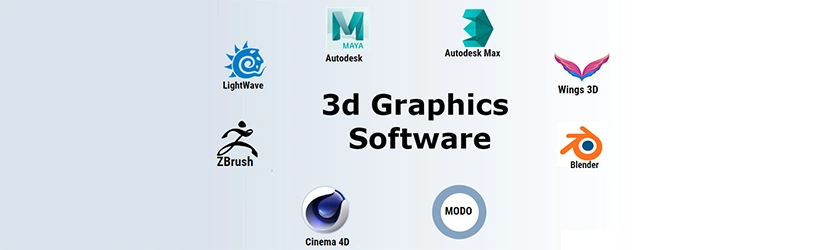
If you prefer computer graphics, you will study programs like Maya or Blender. These are heavy-duty applications used to build and animate 3D assets. Some ambitious students learn both skill sets. Being able to both model a 3D character and composite it into video makes you very valuable to employers.

The film industry changes fast. Today, new technology called virtual production is shaking things up. Instead of using green screens, studios film actors in front of giant LED walls showing digital backgrounds. This merges computer graphics and live-action filming right on the physical set. It is an exciting new way to make movies.
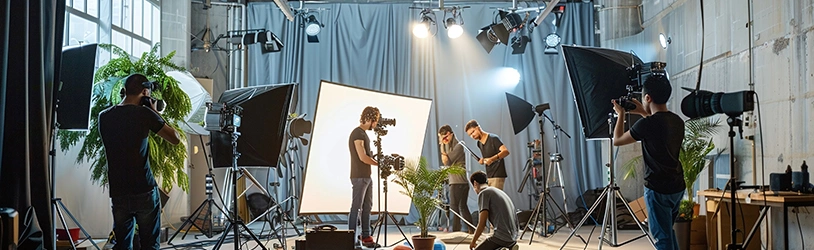
Because these tools update so quickly, teaching yourself is getting harder. Major studios want to hire artists who know how to work in a team pipeline. You need actual guidance from industry experts. A good school gives you hands-on time with the same hardware and software configurations that top employers use every day.

Your portfolio is your ticket to a job. Studios look at your showreel before they even read your resume. If you apply as a compositor, your reel needs to show flawless blending of digital assets into raw video. If you apply as a modeler, you must show highly detailed digital creations with perfect proportions.
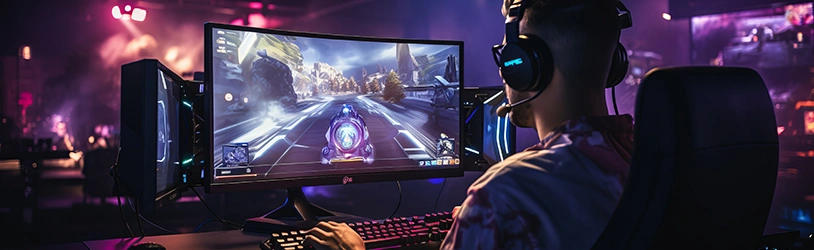
Do not forget about video games and animation. Modern games rely entirely on digital creations. If you want to design interactive game worlds, focus on 3D graphics. Animated TV shows and commercials also need big teams of digital artists. It is a stable career choice if you prefer a stylized look over realistic live-action movies.
Both of these fields support the massive entertainment industry. To wrap it up, the main difference between vfx and cgi is that one tweaks real-world video, while the other builds pure digital art. Understanding this empowers you to pick the right training, build a focused portfolio, and launch a career doing exactly what you want.
If you have recently finished your schooling and are looking for the right place to build a creative career, Arena Animation Chowringhee is your ideal starting point. We focus entirely on the practical training you need for a solid professional future. As the best vfx institute in Kolkata, we offer comprehensive, industry-focused programs like our Animation-VFX Prime and VFX Film Making courses. Our curriculum is built specifically to help you grow into a confident, job-ready artist. We prioritize hands-on software practice and strong portfolio development so you can step straight into the entertainment industry with the right skills. Reach out to our career counsellors today, take a tour of our campus, and let us help you turn your artistic passion into a successful, lifelong profession.