

VFX
15-10-2026
How Long Does It Take to Learn VFX? Courses, Skills, Salary & Career
Read More ...
Choosing a career becomes easier once you understand what a profession actually involves. Graphic design turns ideas into things people can see. A logo. A piece of packaging. A poster for a college fest. An Instagram post designed to capture attention. Many people ask what education is required to become a graphic designer before they commit time to it. There is no single educational path that applies to every aspiring graphic designer.

A graphic designer produces visuals that communicate something specific. A logo. A brochure. An advertisement. Packaging on a shelf. A set of social media graphics for a product launch. The work goes beyond making something look pleasant. A designer has to think about who will see the piece. What result it needs to produce. How colour, layout and typography come together to deliver that message clearly.

There is no single educational path that applies to every aspiring graphic designer. Some students complete a full degree. Others choose a diploma or a specialised course built around focused, practical training. Qualifications hold value. Practical skills, design knowledge and a strong portfolio matter just as much when starting a career. Many students begin their graphic design journey after Class 12, without needing an art background beforehand. What helps most at this stage is curiosity about visual work, patience for repeated practice, and a willingness to keep using new software until it feels familiar.

Not necessarily. A degree offers a broader academic foundation. Employers and clients, though, tend to give equal weight to a candidate’s portfolio. And to how they respond to an actual design brief. Several working designers have built careers through specialised training and hands-on experience rather than a formal design degree. A shorter, focused course can teach essential design principles, along with software skills and project work, within a shorter learning period. A well-built portfolio can support your qualification. It shows employers exactly what you are capable of producing.

Yes. Class 12 marks the point where many students take their first step into graphic design. From there, they move into a diploma, a degree, or a career-focused course, based on their pace and interest. A background in science, commerce or arts does not close this path off. The choice after Class 12 usually comes down to timing. A certificate course suits someone who wants practical skills within a short period. A diploma or degree suits someone who prefers a longer, more detailed academic route before entering client work.
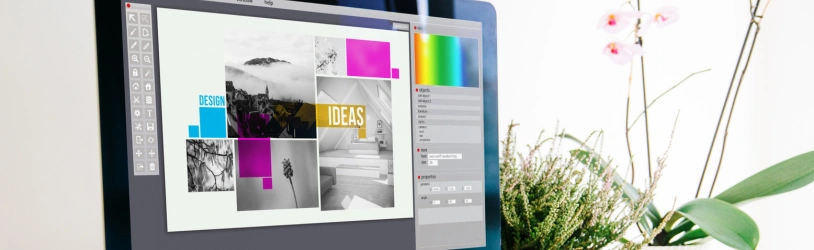
A well-designed course covers far more than the mechanics of using Photoshop tools. It teaches the reasoning behind a design decision. Not just the steps needed to execute it once someone else has made that call. Practical assignments carry real weight here. Applying a concept to an actual brief is what makes a lesson stick. A well-structured course typically includes:
• Design principles and visual communication
• Typography and colour theory
• Layout and composition
• Logo and brand identity design
• Digital and print design work
• Image editing and photo manipulation
• Basic illustration
• Social media and marketing creatives
• Portfolio building
• Industry-standard design software
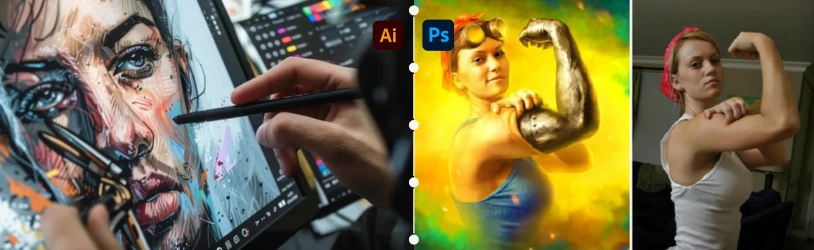
Software proficiency is a necessary part of this profession. The specific tools someone needs will vary by specialisation. Adobe Photoshop, Adobe Illustrator, Adobe InDesign and Figma remain the most widely used programs across the industry. Certain other tools may prove useful too, depending on the type of design work someone pursues. Learning the basic operation of a program is only a starting point. Recognising which tool suits a particular task is the real skill. Applying it with confidence is what carries weight in professional design work.
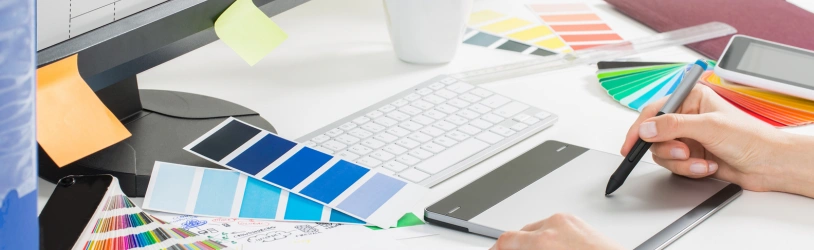
A course lays the groundwork. Consistent practice is what converts that foundation into usable, practical skill. This happens gradually. Through repeated work on real projects, not through theory alone. Skills that matter consistently in this field include:
• Creativity and visual thinking
• A solid grasp of colour and typography
• Attention to detail
• Basic drawing or visualisation ability
• Clear communication with clients or teammates
• Problem-solving under a tight brief
• A working understanding of core design principles
• Comfort moving around design software
• Willingness to pick up new tools as trends shift
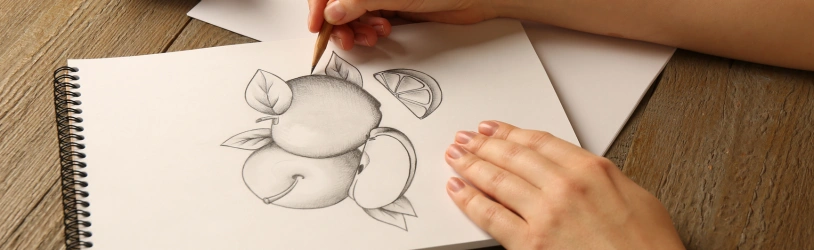
Drawing skill can be an advantage. This is particularly true for illustration or concept-heavy work. It is not, however, a fixed requirement across every design role. Large parts of graphic design, including branding, layout, typography and digital editing, depend more on visual judgement than on freehand drawing ability. The skill that matters most is the ability to translate an idea into something a viewer understands instantly. That ability can be developed through layout exercises, design projects and consistent software practice.
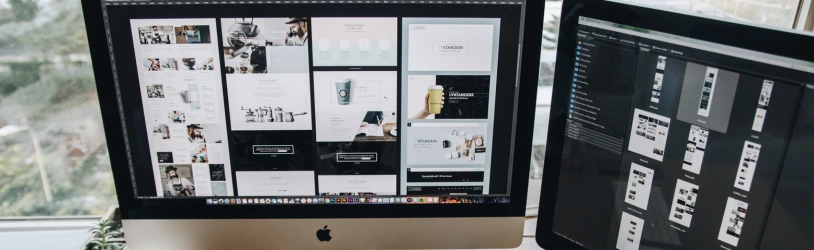
A portfolio serves as direct evidence of a designer’s ability. It shows exactly what someone can produce. This gives employers and clients a clearer picture than a certificate alone can offer. College assignments. Personal creative work. A branding concept. Poster designs. Social media pieces. All of it can belong in one. A large collection is not necessary early on. A small set of carefully finished, well-planned projects communicates more skill than a large folder of unfinished work.

Career direction usually follows personal interest and area of specialisation. Certain designers focus on branding. Others move toward digital content, advertising, or publishing. With experience, many designers step into senior creative positions. Some specialise further in areas they enjoy. Roles commonly found across this field include:
• Graphic Designer
• Visual Designer
• Brand Designer
• Logo Designer
• Digital Designer
• Social Media Designer
• Packaging Designer
• Layout Designer
• Motion Graphics Designer

Skill development continues well past the completion of a course. Ongoing practice helps a designer sharpen their ability. It also builds confidence across different types of projects. Try recreating layouts. Design posters for imagined brands. Test new typography pairings. Study how established brands apply colour, spacing and visual hierarchy. Each exercise adds something a classroom brief usually cannot.

For someone drawn to visual communication and creative problem-solving, graphic design can lead to a wide set of career paths. It links directly to advertising, branding, digital marketing, publishing and entertainment. These are industries that consistently need professionals with strong visual thinking. New platforms, tools and expectations appear in this field on a regular basis. Designers who build solid fundamentals early tend to adapt well. Especially when they stay engaged with new developments as the industry shifts around them.
What education is required to become a graphic designer, then? No single answer applies to everyone. A degree, a diploma, or a focused course after Class 12 can all lead into the field. What follows matters just as much. Real skill, built through steady, hands-on practice over time. A design career rests on a mix of qualifications, creativity, a working grasp of design principles, comfort with the software, and a portfolio that demonstrates real ability. Practical, project-based training gives that foundation the structure it needs.
Where can someone actually begin building practical graphic design skills? Arena Animation Chowringhee structures its training around current requirements in graphic design and the wider creative industry. It combines project work with software training throughout. The Next-Gen Graphic Design & Visual Design course builds a foundation in layout, branding, typography and industry-standard software. The Next-Gen Visual Design & Motion Graphics course extends this further into animated and motion-based work. Students interested in related paths can also look into Digital Content Creation or the Advanced Program in UI UX Design. Both are shaped around current industry requirements. These programmes include project work and portfolio development, helping students build a body of work they can present alongside their certificate. Anyone searching for a graphic designing course in Kolkata can explore these programmes for hands-on learning, project experience and career support.
Que: What is the minimum qualification to start learning graphic design?
Ans: Completing Class 12 is generally sufficient. No particular stream is required. Students from science, commerce or arts backgrounds can all begin learning design fundamentals from this stage.
Que: How do I choose the right graphic design course?
Ans: Look at the course duration first. Then consider the balance between practical project work and theory, the software covered, and whether the programme supports portfolio building. It also helps to check the career support and industry exposure a course provides.
Que: How long does it take to learn graphic design?
Ans: Duration depends on the type of programme chosen. Short-term courses may take a few months. Diploma and degree programmes typically require a longer period of study. Some learners begin exploring entry-level opportunities after a shorter course. They continue building their skills through practical experience along the way.
Que: What subjects are useful for a career in graphic design?
Ans: No fixed subject list applies here. What genuinely helps is a working understanding of design principles, typography, colour theory and software. A dedicated course can teach all of this, regardless of a student’s earlier academic background.
Que: What should I include in a graphic design portfolio as a beginner?
Ans: A focused set of polished projects works well. A logo concept. A poster. A social media design. A layout piece. These are good starting points. Clear thinking and finished quality matter more than the total number of pieces included.
Que: Where can graphic designers find job opportunities?
Ans: Graphic designers find opportunities across advertising agencies, branding studios, publishing houses, digital marketing firms, e-commerce companies and in-house creative teams. Freelance work is also common, particularly for designers with a strong, varied portfolio.