

VFX
15-10-2026
How Long Does It Take to Learn VFX? Courses, Skills, Salary & Career
Read More ...
Some film scenes are hard to shoot with a camera alone. Many of them are made on a computer. This work is called VFX, short for Visual Effects. You see it in movies, web series, ads, games and online videos. Students mostly want to know one thing first. How many months will it take? It differs for everyone. Your course matters. So does your software. So does the work you want to do. And practice counts the most. Basics may come in a few months. Job preparation can take more time.
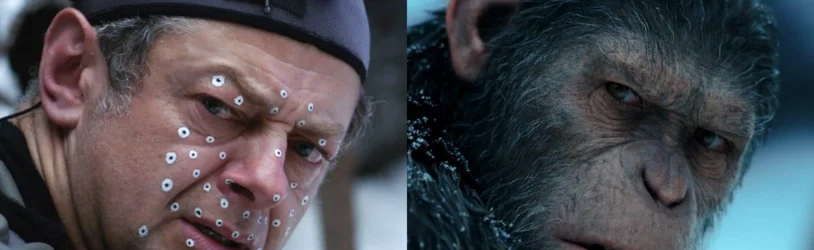
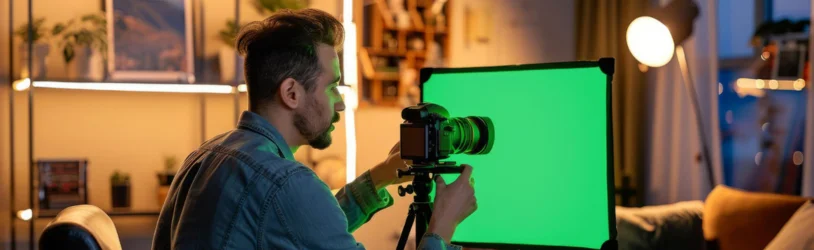
VFX means Visual Effects. Artists use software to change a video. They can add something to it. They can remove something from it. They can also change what is already there. Think of green screens, new backgrounds, 3D objects and digital locations. The artist starts with the footage from the camera. Then they work on it until the shot is final. The work may include modelling, texturing, lighting, animation, compositing, rotoscopy, matte painting and camera tracking. It depends on the project.
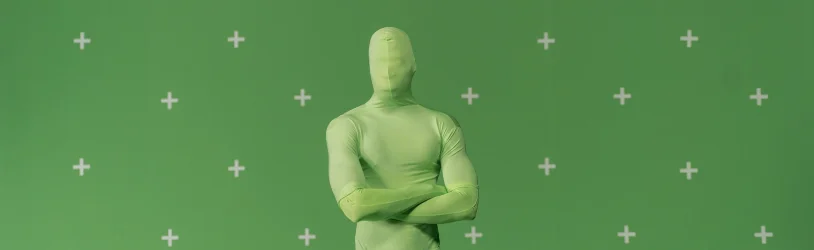
It starts with the footage. The team studies every shot and decides what is needed. A person may need to be separated from the background. An unwanted object may need to be removed. A 3D object may need to be added. Some artists handle textures and lighting. Some track the camera movement. Digital backgrounds and other parts are often created separately. When all parts are ready, they are joined with the original footage. This step is called compositing. Large projects may involve several artists. Even a single shot can have many of them working on it.

There is no fixed time. A short course of a few months can work if you want one software. Career-focused courses take about 9 months or more. Advanced training can go up to 17 months or longer. Arena Animation Chowringhee currently lists a 9-month VFX Compositing & Editing programme and a 17-month Advanced VFX Film Making programme. But the course is not everything. You also need time for practice. Projects and portfolio work need time too. Regular practice helps students feel comfortable with the work sooner.
You don’t have to learn everything at once. Take it one step at a time:
• Basic visual concepts: Colour, composition, perspective, camera basics and image editing.
• 2D and 3D concepts: How digital images, objects and scenes are made.
• 3D production: Modelling, texturing, lighting and rendering.
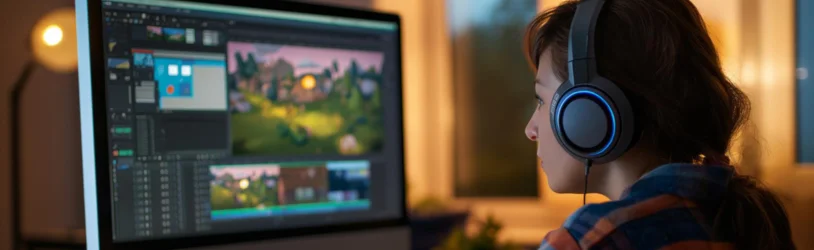
• Animation and effects: How objects and other elements are moved and animated.
• Compositing: Joining live footage with computer-made elements.
• Specialised VFX: Rotoscopy, match moving, matte painting and camera tracking.
• Portfolio work: Collecting your finished projects so that employers or clients can see them.
Some courses follow a different order. Usually, beginners start with basic work before moving to larger projects.

VFX courses are not the same length. Some teach only one software or one skill. These usually take less time. Longer programmes cover more subjects. They also give more time for practical work. Arena Animation Chowringhee currently lists a 9-month VFX Compositing & Editing course and a 17-month Advanced VFX Film Making course. Course duration is only one thing to consider. Look at what is taught. Check the syllabus, the practical classes and the project work.
A short-term course is good if you want to learn one software or one skill. It also helps if you want to understand VFX before a longer course. Many students and working professionals choose it. It fits into a busy schedule. Career-oriented courses are wider. They cover more areas. They also give more time for practice and projects. Arena Animation Chowringhee also lists a one-month After Effects course and a three-month Nuke and Silhouette course. Choose a course based on your needs, available time and learning goals. Think about what you know now and what VFX work you want to do.
Subjects are different in each course. You may learn these:
• 3D modelling and texturing
• Lighting and rendering
• 3D animation
• Compositing
• Rotoscopy
• Camera tracking and match moving
• Matte painting
• Visual effects
• Motion graphics
• Portfolio and showreel work
Many courses also have project work. In a project, you use two or more skills together. You are not practising each one alone.
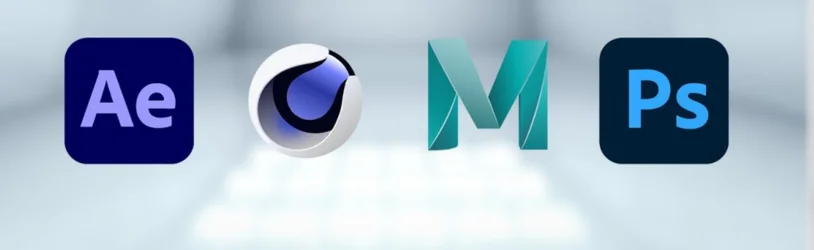
No single software does every VFX job. Autodesk Maya is used for 3D modelling and animation. Nuke is mainly used for compositing. Adobe After Effects is used for motion graphics and visual effects. Other tools are there for rotoscopy, texturing and camera tracking. Arena Animation Chowringhee lists Maya, Nuke, After Effects, Substance Painter, Silhouette and 3D Equalizer across its VFX programmes. Beginners need not learn all of them together. Start with the software related to the area you want to learn.
Software is only one part of the job. You also need to look at a scene closely. Small details matter. These skills help:
• Visual observation: Looking at light, shadows, colour, movement and other small details.
• Creative thinking: Finding a way to make or change a shot.
• Attention to detail: Checking if the added elements look natural in the scene.
• Software knowledge: Learning the tools needed for your chosen VFX role.
• Problem-solving: Finding mistakes and fixing them.
• Practice: Doing the work regularly so you get better at it.
• Teamwork: Working along with other artists and making changes after feedback.
These skills grow with regular practice and experience.

VFX can be a career option for people who like films, visual storytelling, animation, 3D work and digital content. It is used in films, television, advertising, streaming content, gaming and other digital media. A course is only one part of career preparation. You need practical knowledge. You need project work. And you need a portfolio when you look for a job. The field also keeps changing. You may have to learn new tools and new ways of working later.

VFX has many kinds of jobs. The daily work is quite different in each one. Some common roles are:
• VFX Artist
• Compositor
• 3D Modeller
• Texture Artist
• Lighting Artist
• Rotoscopy Artist
• Matchmove Artist
• Matte Painting Artist
• 3D Animator
• FX Artist
• Motion Graphics Artist
Read about these roles before choosing a course or an area. It can help you understand which type of work interests you.

Pay is not the same for every VFX artist in India. Role, experience, skills, city, company and portfolio all matter. Freshers often start at around ₹2.5 lakh to ₹4.5 lakh per year. Artists with a few years of experience may earn around ₹5 lakh to ₹8 lakh per year. Salary can change with experience and specialised skills. Websites show different figures, so treat these as a rough idea and not an exact amount. Hands-on experience and a good showreel also help when you apply for jobs.
Yes. First, learn the skills and make a portfolio. You can then explore freelance work. It may be compositing, video effects, 3D modelling, animation, motion graphics, rotoscopy or other VFX tasks. A freelancer must understand what the client needs. They must explain the work clearly. And they must finish on time. If you are new, start with small projects. You can gradually take on larger projects as you gain experience.
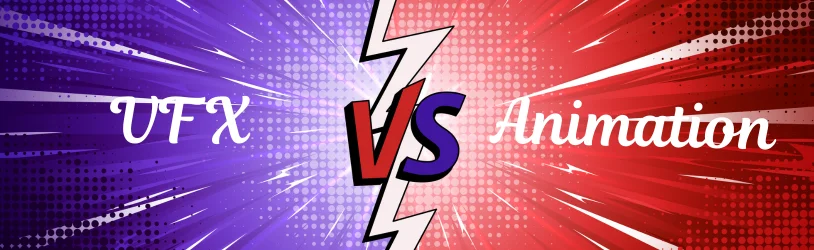
Both fields share some areas. But the work is different. VFX mostly goes with live-action footage. It adds computer-made elements or changes a filmed scene. Animation creates movement for characters, objects or graphics. Both can use 3D software. A 3D character, for example, may be made through animation. Later it can be used in a VFX shot with live footage. Understanding the work in both fields can help you decide which one to learn.

Graphic design is about layouts, typography, images, branding and other visual communication work. VFX is more about video footage, 3D objects, effects and scenes for films and digital content. A few graphic design basics help in VFX. Colour, composition and balance matter in both. But the software and the way of working are different. Know this before you choose between them.
Many students ask if they can start VFX after Class 10 or Class 12. It depends on the programme’s eligibility. Arena Animation Chowringhee currently lists 10+2, undergraduates and graduates as eligible for its VFX Compositing & Editing and VFX Film Making programmes. If you are still in school, spend some time on basic drawing, design, photography or video editing. After Class 12, look at longer VFX programmes. Choose one that matches your interests and plans.

Eligibility and fees differ for each VFX course. A short course may have other rules than a longer career-focused programme. Check them before joining. Fees depend on the course, its duration and the subjects covered. Ask what the fee includes. It may cover software training, practical classes, projects, portfolio work, certification and career support. This helps you understand the course before you enrol.
Check these points before joining a VFX course:
• Course syllabus and subjects
• Software included in the course
• Practical assignments and projects
• Course duration
• Portfolio and showreel work
• Trainer experience
• Classroom and lab facilities
• Certification
• Career guidance and placement assistance
Find out if the course covers many parts of VFX. Or does it teach mainly one software? Also check how much time goes to practical work and projects.

A portfolio or showreel lets an employer or client see your real work. A resume lists software and skills. Your work shows more. Choose projects from the areas you have studied, such as modelling, compositing, tracking, animation or lighting. You need not add every exercise. A few well-finished projects can clearly show your practical skills. If you did a project in a team, write which part you handled.

Some VFX courses help with resumes, interviews, portfolios and information about job roles. Institutes may also give placement assistance or share job openings with students. Placement assistance does not guarantee a job. Arena Animation Chowringhee mentions career support, interview preparation, portfolio development and placement assistance as part of its training and career support. You still have to learn the skills. You also have to prepare work that shows your ability.
Start with the basic concepts. Beginners may find it easier to learn one software at a time. Here are some simple tasks to practise:
• Removing a background from a video
• Tracking an object in footage
• Creating a basic 3D model
• Adding a digital element to live footage
• Making a simple composite shot
• Practising basic animation
• Creating small portfolio projects
Do small tasks again and again. You will get used to the software and the VFX process. Once you are comfortable with the basics, choose one area to practise further. Then do more projects in it.
There is no fixed answer to How Long Does It Take to Learn VFX. The basics may come in a few months. Compositing, 3D and animation need more time and practice. Course duration is one factor. It is not the only one. Practical training, software knowledge, project work and a portfolio matter just as much. Before you join a VFX programme, check the syllabus, fees and duration. Then you will know what it offers.
Want to learn VFX with practical training and project work? Arena Animation Chowringhee offers training in 3D modelling, texturing, lighting, animation, compositing, camera tracking and rotoscopy. The current programmes are VFX Compositing & Editing and Advanced VFX Film Making. Depending on the programme, you can learn Maya, Nuke, After Effects, Silhouette, Substance Painter and 3D Equalizer. You can also work on projects, prepare a portfolio and get career guidance and placement assistance. If you are searching for the best vfx institute in Kolkata, check the syllabus, software, practical classes, facilities and career support before choosing a programme. Arena Animation Chowringhee also offers courses in animation, gaming and graphic design.
Que: How long does it take to learn VFX?
Ans: It depends on the course and the part of VFX you want to learn. Basic skills can be learned in a few months. A job-focused course may take around 9 months or more. Advanced training can take 17 months or longer. Classes are not enough on their own. Practice and project work are needed too.
Que: Can I learn VFX after Class 12?
Ans: Yes. You can start VFX training after Class 12, depending on the course eligibility. Arena Animation Chowringhee currently lists 10+2, undergraduates and graduates as eligible for its VFX Compositing & Editing and VFX Film Making programmes.
Que: Which software is used for VFX?
Ans: It depends on the type of VFX work. Maya is used for 3D modelling and animation. Nuke is mainly used for compositing. After Effects is used for motion graphics and visual effects. Silhouette, Substance Painter and 3D Equalizer are used for other VFX tasks.
Que: What is the salary of a VFX artist in India?
Ans: Salary depends on the role, experience, skills, location and employer. Freshers often start at around ₹2.5 lakh to ₹4.5 lakh per year, and artists with experience and special skills may earn more. These are general figures from public salary websites and are not a guarantee. A portfolio and practical work also help when applying for VFX jobs.
Que: Does Arena Animation Chowringhee offer VFX courses?
Ans: Yes. Arena Animation Chowringhee offers VFX programmes such as VFX Compositing & Editing and VFX Film Making. Depending on the programme, students can study 3D, compositing, animation, lighting, rotoscopy, camera tracking and other VFX areas. The duration and subjects depend on the programme chosen.
Que: Is a portfolio important for a VFX job?
Ans: Yes. A portfolio or showreel helps employers see an artist’s actual work. It can include projects from modelling, compositing, tracking, animation, lighting and other VFX areas. Show your selected work clearly. Mention the part you worked on. Arena Animation Chowringhee also includes project work and portfolio development as part of its career preparation.