

VFX
15-10-2026
How Long Does It Take to Learn VFX? Courses, Skills, Salary & Career
Read More ...
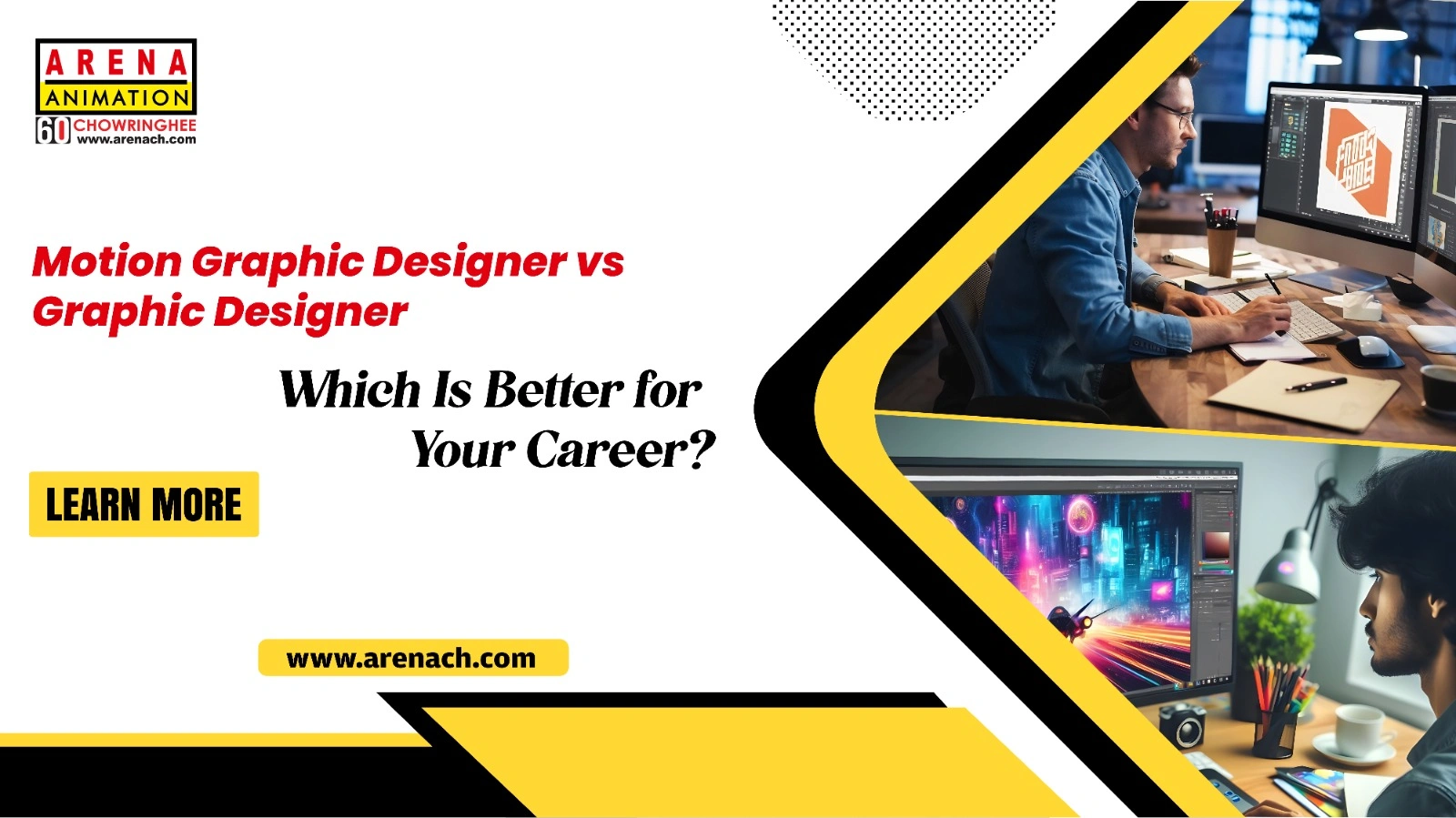
Picking a creative career is a significant step. It feels completely normal to get a bit stuck when job titles sound so similar. Many students find themselves comparing a motion graphic designer vs graphic designer long before they sign up for any classes. Both routes obviously need a good artistic eye. Still, the daily work, software applications, and actual job markets vary a lot more than you might expect. Understanding these differences helps you select the best track.
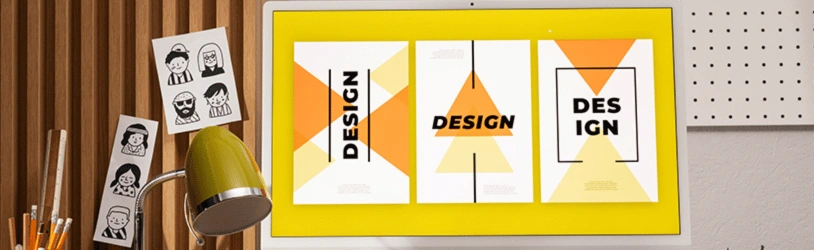
Graphic design mostly boils down to visual communication. These artists mix colours, fonts, photos, and smart layouts to make pieces that inform or motivate people. You spot their work everywhere. It ranges from printed posters on a wall to the bright screen of your phone. That is exactly why nearly every industry relies on them. Their days involve shaping logos, planning social media grids, and drawing up website banners. The main point is delivering a clear message while keeping the brand looking consistent.
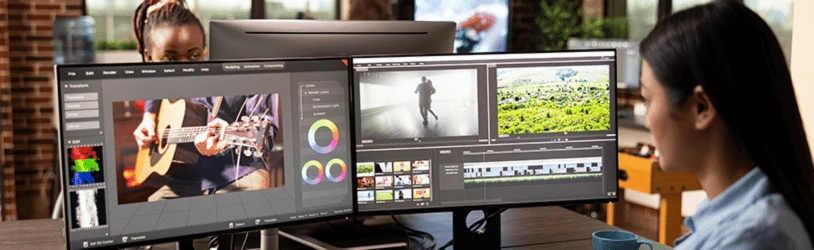
Motion graphic design takes regular static art and brings animation into the mix. Rather than sticking only to flat images, these creators make the visuals actually move. They depend on special effects and exact timing to breathe life into a design. These moving pieces work wonders for explaining tricky topics or just capturing attention on busy feeds. Since video dominates the internet right now, having this specific skill is incredibly valuable.
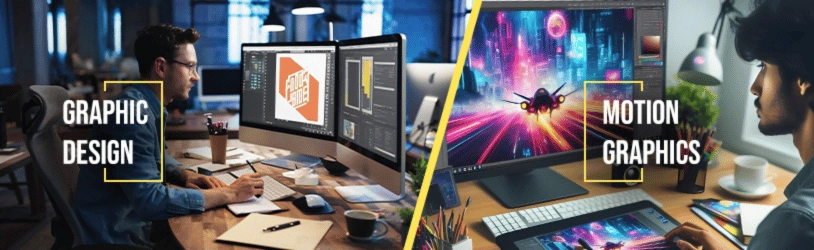
When people weigh a motion graphic designer vs graphic designer, they usually guess the two roles do the exact same thing. In reality, they aim for totally different outcomes. Graphic artists stick strictly to still visuals like brochures, posters, and brand logos. Meanwhile, motion artists take those exact same static files and inject them with movement. They craft animated stories tailored perfectly for digital viewers.
These professionals tackle a wide mix of creative tasks, heavily depending on who hired them. They largely shape how the outside world views a company. The visual setups they produce help businesses talk directly to their target customers.
• Crafting memorable logos and shaping brand guidelines
• Designing business brochures and flyers
• Creating eye-catching social media images
• Mapping out layouts for print magazines
• Putting together product packaging designs
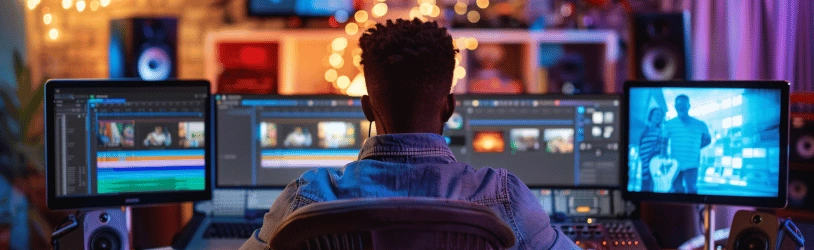
Motion specialists dedicate their shifts to producing graphics that move around and capture your focus instantly. They unpack dense information using highly engaging video formats. Their routine smoothly blends standard art rules with storytelling to give the audience a genuinely interesting experience.
• Putting together short promotional videos
• Designing animated title sequences
• Building lively social media animations
• Applying visual effects to existing video footage
• Animating text blocks for corporate presentations
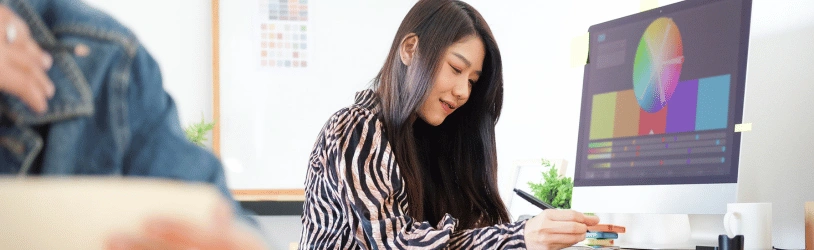
Doing well here demands a solid mix of raw creativity and technical knowledge. You need a strong grasp of how different visual parts sit together on a blank canvas. Learning the basic rules of art matters just as much as knowing your way around a design program.
• Typography and font pairing
• Colour theory rules
• Layout structuring
• Branding fundamentals
• Visual communication strategies
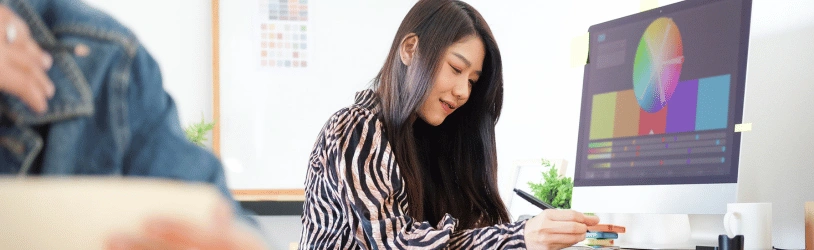
These artists need a firm hold on traditional design, plus a deep understanding of animation mechanics. Honestly, how an object moves is just as important as how it initially looks. They must understand how movement enhances a message without annoying the person watching.
• Basic animation principles
• Video editing techniques
• Storytelling through motion
• Pacing and timeline management
• Visual effect integration
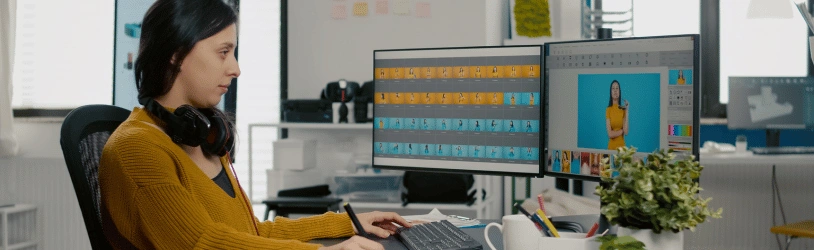
The software you open every morning depends entirely on your daily tasks. Graphic creators lean heavily on Adobe Photoshop, Illustrator, InDesign, and CorelDRAW to put together flat layouts. Motion artists spend the bulk of their hours inside Adobe After Effects and Premiere Pro. Sometimes they even open 3D applications like Cinema 4D. Knowing these industry tools is a great starting point, but your own problem-solving ability remains the best asset.

Since almost every company needs visual materials, these artists land jobs practically anywhere. Advertising agencies recruit them heavily for big campaigns, while book publishers regularly hire them to sort out page layouts. You will also spot plenty of openings in corporate spaces, local startups, retail shops, and event teams. Any business wanting a fresh logo or a crisp website banner needs someone possessing these exact skills.

The massive surge in video marketing caused the demand for moving graphics to increase significantly. Production houses rely heavily on these artists for TV commercials and online ads. Tech firms want them to build software demos, and marketing teams constantly crave them for social media clips. You can also find opportunities in television broadcasting, gaming studios, and streaming platforms pushing out daily video content.

You get plenty of excellent job titles to pick from as you rack up experience. You might operate as a Brand Designer, Visual Expert, Packaging Specialist, or a Social Media Creator. As you grow and earn respect among peers, you could step up to become an Art Director or a Creative Lead. This space provides a very clear ladder straight to senior management for talented individuals.
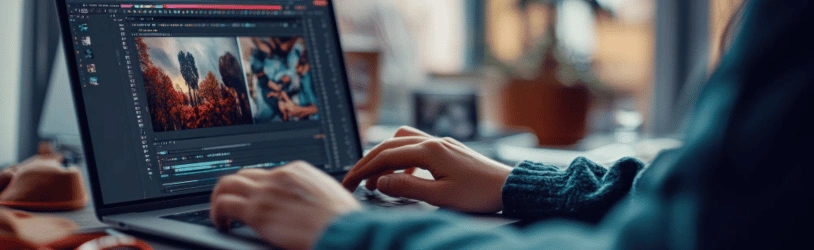
The shift toward video makes this particular job market highly active. You can aim for roles like Video Editor, Broadcast Designer, Multimedia Artist, or Visual Effects Creator. Many talented professionals also choose to go freelance and cherry-pick their own clients. Down the road, you can reach positions like Motion Design Lead or Creative Director, managing whole production teams and making the big creative decisions.

Many school leavers try weighing up a motion graphic designer vs graphic designer because both seem like excellent creative options. Should you love drawing logos, testing different fonts, and laying out posters, stick to the static side. Conversely, if you prefer watching things move, cutting videos together, and telling visual stories, the motion route will probably fit you better. Try doing tiny projects in both areas to see what feels natural.
Solid visual communication is not disappearing anytime soon. Companies will always want fresh looks to sell products and connect closely with their buyers. With online shopping and digital branding continuing to grow, skilled artists will remain in high demand. As long as you keep your software skills sharp and stay aware of current design trends, building a long and stable career here is very achievable.
Video is dominating the internet right now. Brands rely heavily on short animated clips to capture your attention on scrolling social feeds. This endless demand means jobs in animation, gaming, and digital ads will keep multiplying. Mastering modern animation tools right now sets you up perfectly for a wide variety of tech and media roles in the coming years.
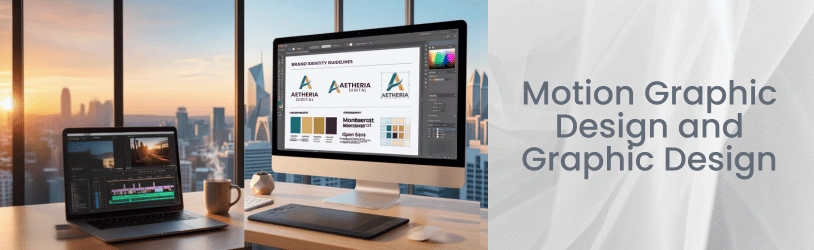
When choosing between a motion graphic designer vs graphic designer, base your final choice on what you actually enjoy doing day to day, rather than chasing what might pay a tiny bit more. Test both fields through small personal projects at home to understand the workflows better.
• Go with graphic design if you love building brand identities, print materials, and page layouts.
• Pick motion graphic design if you naturally prefer animating flat objects, editing video clips, and crafting visual stories using special effects.
You absolutely can. A massive number of people actually start making static art before they ever attempt to animate it. Knowing the basic rules of colour and layout gives you a strong advantage when you finally start adding movement. Having both skill sets on your resume makes you more attractive to employers. Modern marketing teams absolutely love hiring one person who can design a poster and then animate it flawlessly.
There is honestly no wrong choice to make here. Both paths offer incredible chances to make a solid living through your own creativity. One lets you master still images, while the other lets you bring those exact images to life through time and movement. Just focus your energy on building a fantastic portfolio and mastering your chosen tools. With hard work, either direction leads to a highly rewarding job in the creative industry.
Are you ready to transform your passion for art into a real profession? At Arena Animation Chowringhee, we provide the hands-on training you need to succeed in today’s digital media landscape. We know that just learning software is not enough to get hired. You need actual project experience to truly stand out to employers. That is why our expert mentors guide you step-by-step through practical assignments. We offer comprehensive courses in Motion Graphics, Graphic Design, Web Design & Development, Animation, VFX, UI/UX Design, Game Art & Development, and Video Editing. By joining us, you get to build a strong professional portfolio while learning the latest industry tools. We dedicate ourselves to helping students prepare for opportunities across design studios, advertising agencies, and entertainment companies. Reach out to us today to explore our courses and take that exciting first step toward your dream career at the best graphic design institute in Kolkata!