

VFX
12-08-2026
Scope of VFX in the Future: Career Opportunities, Jobs & Growth in India
Read More ...
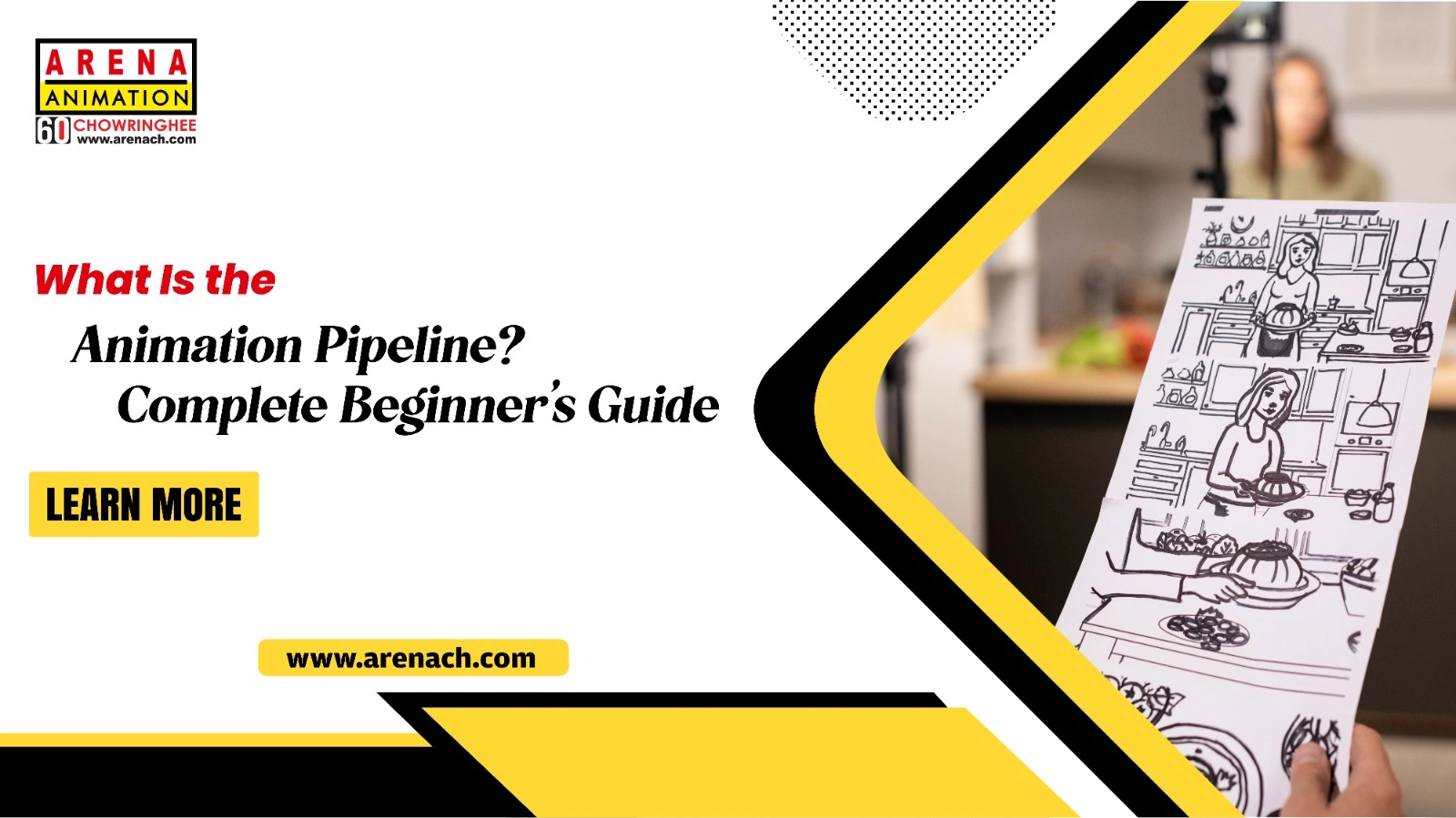
Making a character breathe on screen requires far more than raw drawing talent. Studios rely on a structured, step-by-step framework to turn loose sketches into moving masterpieces. This setup prevents large creative projects from turning into production confusion. Getting the animation pipeline explained early is the best thing a beginner can do to understand the industry. It provides the exact roadmap major studios follow today.
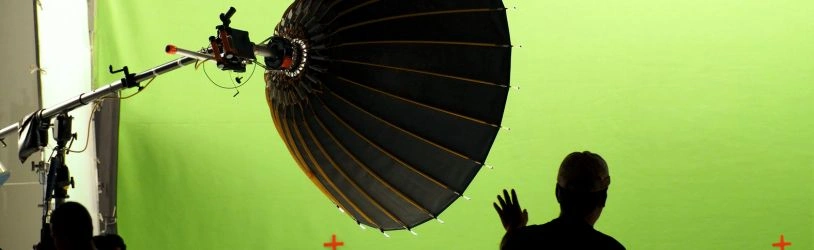
Every single artist has a specific job they must finish before passing files to the next department. If the layout team falls behind, the whole production pauses. This strict order lets hundreds of people collaborate without causing delays. The entire journey breaks down into three major phases: pre-production, production, and post-production. Each phase requires very different technical skills.

Nobody touches a computer until the team agrees on a solid plan. Pre-production is where the story actually finds its direction. Writers finalise the script to lock down the dialogue. Meanwhile, concept artists start painting characters and landscapes to set the visual tone. Storyboard artists then sketch the scenes sequentially. Finding and fixing mistakes right now saves considerable budget later.
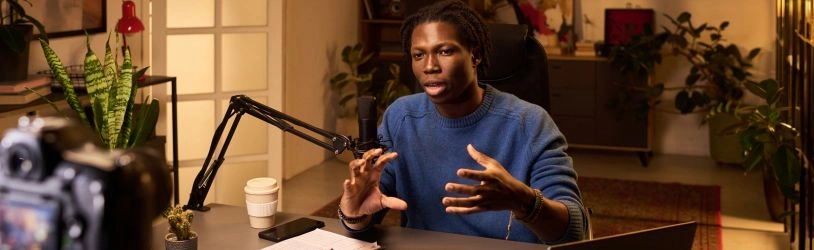
Before anyone starts animating a digital puppet, the actors record their lines. Animators need these voice tracks to match lip movements accurately. Next, editors stitch those storyboard sketches together with the rough voice recordings. We call this an animatic. It acts as a rough visual draft. If a joke fails or a scene drags, directors cut it immediately to save time.

Production is where the core creation happens. For 3D films, digital sculptors use the concept art and build it into dimensional objects. This is called modelling. But these new models are completely static and need an internal structure. Riggers step in to add digital bones and joints inside the characters. Without a solid rig, making the character move is impossible.

Uncoloured 3D models look incredibly plain. Artists paint them with digital colours and textures. They add textured scales to dragons or reflective surfaces to metal cars. Layout artists then drop these painted models into virtual sets. They also set up the digital cameras based on the storyboards, figuring out the exact framing before the actual character performance begins.

The animators finally take control of the scene. They use those digital bones and shift the characters frame by frame. They focus on weight, blinking, and breathing to make the acting feel completely real. When getting the animation pipeline explained by studio professionals, they always highlight the extreme patience required. It takes days to create just a few seconds of movement.

Just like a live-action movie set, a 3D scene needs proper lighting to avoid looking flat. Lighting artists place virtual suns and lamps into the shots to establish the mood. Finally, computers calculate the complex mathematics to output final images. This technical process is called rendering. Rendering takes hours for a single frame, which explains why studios use large computer farms.
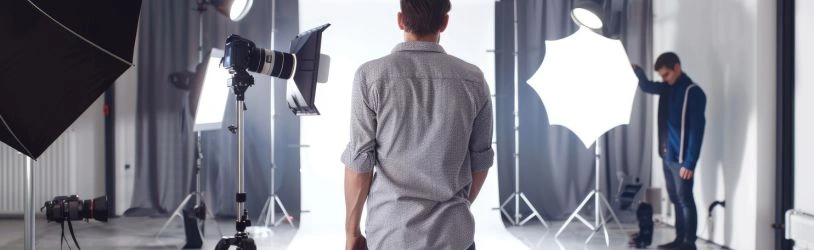
The rendered frames move into post-production for a final visual polish. A process called compositing blends different visual layers together smoothly. Compositors mix the hero, the background, and visual effects like smoke into one seamless shot. They adjust the colours so everything matches perfectly. This step ensures the project looks like a cinematic movie rather than a basic digital test.

Visuals alone cannot carry a great film. Sound designers layer footsteps, rustling leaves, and wind to make the digital world feel believable. The composer drops in the musical score to drive the emotional beats. Having the animation pipeline explained properly highlights how crucial this audio step really is. It acts as the final element holding the entire visual experience together.

While both styles use planning, building, and polishing phases, their daily tasks look totally different. Classic 2D relies on hand-drawn frames, while modern 3D acts more like operating digital puppets. Seeing the differences in the animation pipeline explained side by side helps new artists pick a distinct career path. Here is a quick breakdown of how their production steps compare.

• Layout: Artists plan camera angles and scene composition on paper or a digital canvas.
• Animation: Creators draw characters frame by frame to lock down movements.
• Inking and Colouring: Rough pencil sketches get cleaned up with sharp outlines and flat colours.
• Compositing: The painted characters are layered over background art to build the final scene.
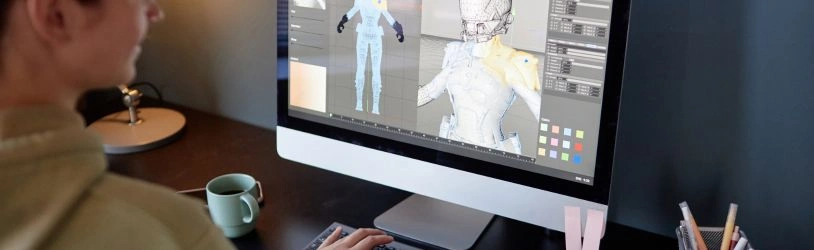
• Modelling and Rigging: Sculptors build 3D assets, and riggers pack them with functional joints.
• Animation: Artists pose digital models using software instead of drawing them by hand.
• Texturing and Lighting: Teams apply skin details and set up virtual studio lights.
• Rendering: Computer servers calculate the lighting math to generate the final dimensional frames.

You might simply want to sit at a desk and draw. But knowing the broader process makes you a better colleague. A modeller must build a clean file so the rigger can work without software crashes. Having the full animation pipeline explained teaches you professional respect for the next department. Studios actively hire people who understand this collaborative flow.
Building a cinematic project from scratch is a massive team effort. Every single person on the crew manages an important technical stage. Breaking the journey down into phases maintains order so artists can focus on creating engaging visuals. Next time you watch an animated show, you will know exactly how much work went into every single frame.
If you are feeling inspired by the magic behind the scenes and want to explore this path, taking the first educational step is important. Reading about the process provides a solid foundation, but gaining practical experience is what prepares you for a real studio environment. You need expert guidance to master the software and understand how these creative departments function daily. At Arena Animation Chowringhee, we focus on helping students build these exact foundational skills. By enrolling in our professional animation course, you will learn the standard tools that professionals use globally. We provide the practical training and direct mentorship needed to develop a strong portfolio and thrive in this highly competitive field. Connect with our academic team today and let us help you map out your future in the digital arts.